
Southern Arizona wineries naturally thrive through organic viticulture, adopting sustainable practices for soil health, water management, and pest control. Key methods include cover cropping, composting, minimal tillage, drip irrigation, and beneficial insect integration. Educational vineyards offer workshops, emphasizing hands-on learning in harvesting, fermentation, and terroir study. These techniques enhance grape quality, ecosystem harmony, and environmental stewardship, fostering a vibrant organic wine industry.
In the world of wine, sustainability and organic practices are gaining prominence, with consumers increasingly demanding environmentally friendly and ethical production methods. Organic viticulture, free from synthetic chemicals, offers a harmonious approach to winemaking, preserving both soil health and biodiversity. However, learning these techniques can be challenging for winemakers, especially in regions with unique climates like Southern Arizona. This article explores the valuable opportunity for wine enthusiasts and professionals to educate themselves through educational vineyards, where they can discover organic viticulture methods naturally applied at southern Arizona wineries, fostering a sustainable future for this beloved beverage.
- Discovering Organic Viticulture: A Southern Arizona Winery Approach
- Understanding Soil Health: The Foundation for Natural Grape Growth
- Sustainable Water Management: Quenching Plants Naturally
- Integrating Beneficial Insects: A Green Solution for Pest Control
- Harvesting and Fermentation: Artisanship in Natural Wine Making
Discovering Organic Viticulture: A Southern Arizona Winery Approach

In the heart of Southern Arizona lies a burgeoning wine industry, with numerous wineries embracing organic viticulture methods that not only preserve the land’s natural balance but also elevate the quality of their wines. This region, known for its unique terroir and distinct climate, serves as an ideal testing ground for sustainable practices, where winemakers are pioneering innovative techniques to minimize environmental impact while maximizing grape health. For aspiring winemakers and those passionate about sustainable agriculture, exploring these organic viticulture approaches at local educational vineyards offers a wealth of knowledge and practical skills.
One standout example is the Southern Arizona winery naturally leading the charge in sustainable winemaking. These wineries prioritize using natural resources efficiently, minimizing chemical inputs, and fostering ecological balance within their vineyards. Instead of relying on synthetic pesticides, they employ beneficial insects to control pests, reduce soil erosion with cover crops, and utilize composted organic matter to enrich the soil. By embracing these organic practices, Southern Arizona wineries not only contribute to a healthier environment but also produce wines that showcase the region’s distinct character, often achieving exceptional quality and unique flavor profiles.
At educational vineyards throughout the region, visitors can observe firsthand these sustainable viticulture techniques through guided tours and workshops. Expert winemakers share their knowledge, demonstrating how to identify and address grapevine issues using organic remedies. Hands-on sessions might involve planting cover crops, harvesting grapes for specific purposes, or learning to make natural wine additives. These experiences provide valuable insights into the challenges and rewards of organic winemaking, empowering enthusiasts to apply these practices in their own vineyards or support the movement by seeking out certified organic wines.
Understanding Soil Health: The Foundation for Natural Grape Growth
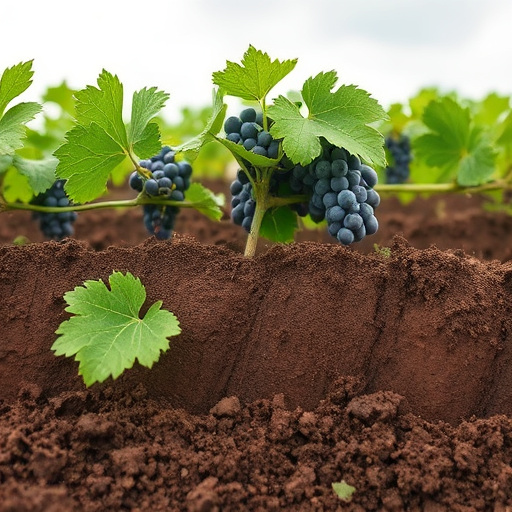
Soil health is a cornerstone of organic viticulture, and understanding its intricacies can profoundly impact the quality and character of grapes grown at educational vineyards. In southern Arizona, for instance, where the climate supports both traditional and natural grape cultivation, the focus on soil vitality has led to remarkable outcomes in local wineries. The region’s unique terroir, characterized by well-draining sandy soils and abundant sunshine, presents both challenges and opportunities for organic growers.
At the heart of organic viticulture lies the principle of minimizing synthetic inputs while fostering a balanced ecosystem within the vineyard. This involves meticulous soil management practices such as cover cropping, composting, and minimal tillage to maintain soil structure and microbial activity. For instance, southern Arizona winery naturally incorporates cover crops like clover and vetch during the off-season to fix nitrogen, enrich the soil, and prevent erosion. Regular composting adds organic matter, improving water retention and fostering healthy root development in grapevines.
Experts emphasize that soil health is a long-term investment for grape growers. By nurturing the soil ecosystem, vines become more resilient to pests and diseases, reducing the need for chemical interventions. Data from studies on organic vineyards suggests that healthier soils can lead to improved grape quality and consistency in wine production. For example, research comparing conventional and organic practices in California’s Napa Valley indicated that organically grown grapes had higher antioxidant levels and more nuanced flavor profiles. This underscores the potential of focusing on soil health as a game-changer for educational vineyards aiming to produce superior wines naturally.
Actionable advice for aspiring organic viticulturists includes conducting thorough soil tests to understand nutrient deficiencies or imbalances, adapting planting strategies accordingly, and employing sustainable practices such as integrated pest management (IPM). By prioritizing soil health, growers can foster a vibrant and resilient vineyard ecosystem that supports the natural growth of grapes, ultimately contributing to the production of high-quality wines.
Sustainable Water Management: Quenching Plants Naturally

Educational vineyards across Southern Arizona offer a unique opportunity to learn about sustainable water management practices, an essential aspect of organic viticulture. In regions characterized by varying climatic conditions and water scarcity, such as much of the American Southwest, natural and efficient irrigation techniques are not just beneficial but crucial for winegrowers. These methods not only ensure the health and productivity of vines but also contribute to environmental sustainability.
One of the key strategies in organic viticulture is adopting drip irrigation systems tailored to specific vine needs. Unlike traditional sprinkler systems, drip irrigation delivers water directly to the plant’s roots, minimizing water waste. For instance, a study by Arizona State University found that drip irrigation can reduce water usage by up to 50% compared to spray or sprinklers, while yielding comparable grape quality. This method is particularly effective in managing water consumption, especially during hot summer months when evaporation rates are high. Southern Arizona winery naturally leverages this technique, allowing them to thrive with minimal water resources.
Additionally, organic viticulturists emphasize the importance of soil health in water retention and efficiency. By practicing cover cropping, compost application, and minimal tillage, vines can access water stored in deeper soil layers during dry periods. These practices also contribute to improved nutrient cycling, enhancing overall vineyard resilience. For winegrowers in arid regions, understanding and implementing these sustainable water management strategies are not just recommended but essential for long-term viability and environmental stewardship.
Integrating Beneficial Insects: A Green Solution for Pest Control

Learning organic viticulture methods at educational vineyards offers winemakers a chance to explore sustainable practices, with one particularly compelling approach being the integration of beneficial insects for pest control. This eco-friendly strategy is gaining traction among forward-thinking southern Arizona wineries naturally who are looking to minimize their environmental impact while maximizing grape health. By fostering an ecosystem that encourages good bugs over pests, these vineyards are seeing significant reductions in pesticide use and increased overall vine resilience.
Beneficial insects play a crucial role in maintaining balance within the vineyard ecosystem. Predators like ladybugs and lacewings feed on grapevine pest eggs and larvae, while parasitoids such as wasp eggs lay their own offspring inside those of pest caterpillars, effectively controlling their populations. This natural pest control approach not only minimizes damage to vines but also avoids the potential negative impacts of synthetic pesticides on beneficial organisms, soil health, and surrounding water sources.
Practical insights for implementing this method include selecting the right insect allies for your region and grape variety, establishing protective habitat within the vineyard, and monitoring populations to ensure optimal balance. For instance, southern Arizona winery naturally that has adopted this strategy reports a 40% reduction in pesticide use over the past three years, coupled with a notable increase in overall vine health and yield. By embracing these organic viticulture practices, winemakers not only contribute to environmental sustainability but also produce grapes of exceptional quality.
Harvesting and Fermentation: Artisanship in Natural Wine Making

Learning organic viticulture methods at educational vineyards involves a deep dive into the art of harvesting and fermentation, integral components of natural wine making. In southern Arizona, wineries like San Tan Vineyard exemplify this approach, cultivating grapes without synthetic chemicals and transforming them into distinctive, earth-expressive wines. The harvesting process begins with meticulous timing, as winemakers strive to capture the ideal balance of sugar, acid, and tannin in the grapes. Hand-picking allows for selective collection, ensuring only ripe fruits enter the fermentation stage, a practice that enhances flavor purity and reduces the risk of off-flavors.
Fermentation, an intricate dance between yeast and sugar, is another domain where artisanship reigns supreme. In contrast to conventional methods that often involve added enzymes or yeast cultures, natural winemakers rely on indigenous yeasts present on grape skins and in the vineyard soil. This approach yields unique flavor profiles, as each vineyard’s microclimate and terroir contribute their distinct character to the wine. At San Tan Vineyard, winemakers monitor fermentation closely, allowing the process to progress at its natural pace while intervening only when necessary to preserve quality.
Practical insights for aspiring natural winemakers include investing in education through workshops and internships at such establishments as southern Arizona wineries. Hands-on experience with harvesting techniques, press operations, and fermentation management provides invaluable knowledge. Moreover, studying regional terroir and understanding how it influences grape varieties and wine styles is crucial for developing a distinctive, place-specific product. Ultimately, the journey towards crafting exceptional natural wines demands dedication, patience, and a deep appreciation for both science and artistry.
By exploring organic viticulture methods at educational vineyards, particularly in southern Arizona, winemakers gain valuable insights into sustainable practices. The article highlights crucial aspects such as soil health management, efficient water usage, integrating beneficial insects for natural pest control, and the art of fermentation in making natural wines. These techniques not only ensure the quality and uniqueness of the final product but also contribute to a more environmentally friendly approach to winemaking. For those looking to implement these practices, starting with soil analysis, adopting efficient irrigation systems, fostering natural insect populations, and partnering with experts in the field can lead to successful transitions. Embracing these methods allows southern Arizona wineries to produce naturally exceptional wines while preserving the health of their land.