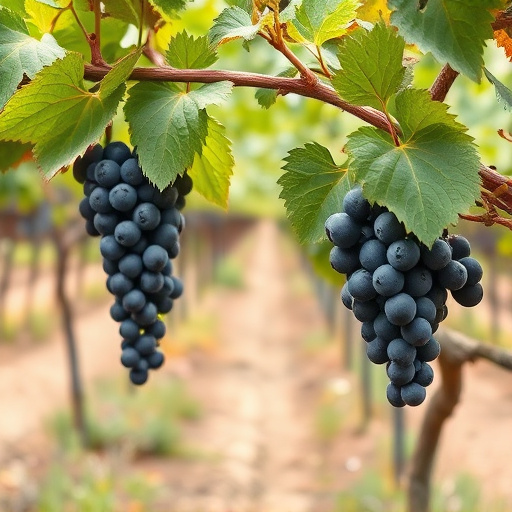
Southern Arizona wineries embrace organic viticulture, prioritizing sustainable practices like cover cropping, composting, and integrated pest management (IPM) to enhance soil health and reduce chemical use. Educational vineyards promote knowledge exchange, showcasing techniques that contribute to the region's distinctive wine character. This movement is driven by consumer demand for organic wines, positioning these southern Arizona wineries as leaders in sustainable agriculture. Their commitment results in higher antioxidant levels, complex flavors, and meticulous production methods, ensuring environmental stewardship and premium wine quality. Educational tours offer hands-on learning, inspiring future winemakers to adopt holistic, sustainable practices.
The rise of organic viticulture represents a significant shift in the wine industry, prioritizing sustainable practices for healthier grapes and eco-conscious production. However, adopting these methods can be challenging for winemakers, especially those in regions like Southern Arizona, known for its unique climate and terroir. To address this, educational vineyards are emerging as vital hubs, offering practical training in organic viticulture. This article delves into the significance of these learning centers, providing insights into how they empower winemakers to embrace sustainable practices and elevate the art of winemaking at naturally exceptional Southern Arizona wineries.
- Discovering Organic Viticulture: A Southern Arizona Winery Approach
- Understanding Soil Health: The Foundation for Natural Grape Growth
- Sustainable Practices: Harvesting the Benefits in Naturally Grown Wines
- Educational Vineyard Tours: Immersive Learning for Aspiring Winemakers
Discovering Organic Viticulture: A Southern Arizona Winery Approach
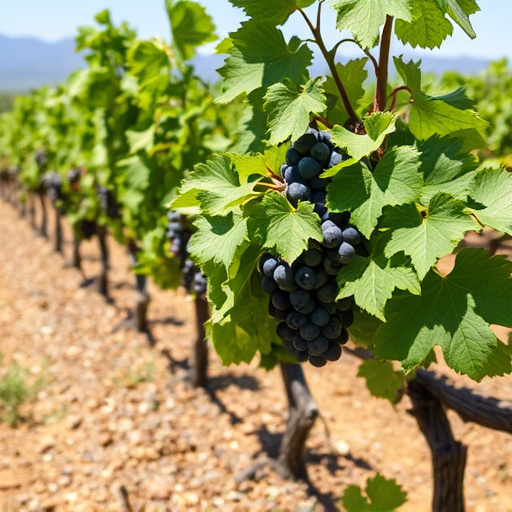
In the heart of Southern Arizona, wineries have embraced organic viticulture methods, showcasing a profound commitment to sustainable practices. This approach not only aligns with environmental stewardship but also enhances the unique character of the region’s wines. One notable example is the thriving winery scene in the Sonoran Desert, where producers utilize natural strategies to cultivate grapes without synthetic chemicals.
Organic viticulture in Southern Arizona involves a comprehensive understanding of local ecosystems and climate nuances. Winemakers here employ techniques like cover cropping, composting, and integrated pest management (IPM). For instance, some vineyards have replaced traditional mowing with sheep grazing, which controls weed growth and provides natural fertilization. This method, popularized by pioneering wineries, has led to a significant reduction in chemical usage and water consumption. By embracing these practices, Southern Arizona wineries contribute to the preservation of their delicate desert environments while producing high-quality organic wines that resonate with consumers increasingly conscious of sustainability.
Educational vineyards play a pivotal role in this movement, offering insights into sustainable viticulture through hands-on learning experiences. These wineries host workshops and tours, inviting visitors to explore alternative cultivation methods and understand the complexities of organic wine production. Through such initiatives, they foster knowledge exchange and inspire others to adopt eco-friendly practices. Data from industry surveys reveal that consumer demand for organic wines is on the rise, providing a compelling incentive for wineries to invest in these sustainable approaches.
By embracing organic viticulture, Southern Arizona wineries not only cater to growing market demands but also position themselves as trailblazers in sustainable agriculture. This commitment extends beyond environmental benefits, enriching the wine’s flavor profile and creating a distinctive sense of place that is truly Southern Arizona.
Understanding Soil Health: The Foundation for Natural Grape Growth

Soil health is a cornerstone of organic viticulture, and understanding its intricate dynamics is vital for cultivating exceptional grapes naturally. In southern Arizona, where the unique terroir challenges and rewards winemakers, adopting sustainable soil management practices can significantly impact the quality and character of wines produced. At educational vineyards, enthusiasts gain invaluable knowledge by observing how soil vitality contributes to grape growth and flavor development.
Expert viticulturists emphasize that soil is not merely a growing medium but an ecosystem teeming with microbes, fungi, and insects, all playing pivotal roles in nutrient cycling and disease suppression. By fostering this microflora, organic farmers create resilient winegrape vines capable of thriving without synthetic inputs. For instance, at certain southern Arizona wineries known for their natural practices, winemakers employ cover cropping to minimize soil erosion and enhance organic matter decomposition, resulting in improved water retention and nutrient availability. This method not only strengthens the soil’s ability to support grapevines but also reduces the need for costly amendments.
Practical strategies include implementing compost tea programs to introduce beneficial microorganisms and utilizing crop rotation to disrupt pest cycles naturally. Additionally, leave mulching can help suppress weeds, conserve moisture, and gradually release nutrients back into the soil profile. These techniques, when applied thoughtfully, create a sustainable cycle that promotes soil health and, consequently, the production of grapes with distinctive flavors and aromas, contributing to the unique character of southern Arizona wines.
Sustainable Practices: Harvesting the Benefits in Naturally Grown Wines

Organic viticulture, with its focus on sustainable practices, is transforming the wine industry, offering a path towards naturally grown wines of exceptional quality. Educational vineyards across the globe are at the forefront of this movement, providing invaluable learning opportunities for aspiring winemakers and enthusiasts alike. One such example is Southern Arizona Winery, where the commitment to organic methods has yielded remarkable results.
In the heart of Arizona’s picturesque landscape, this winery embodies the spirit of sustainable viticulture. By avoiding synthetic chemicals and embracing natural solutions, they’ve achieved a harmonious balance between environmental stewardship and exceptional wine production. The benefits are multifaceted: from enhanced soil health and biodiversity to improved grape quality and flavor profiles. For instance, their data shows that organically grown grapes often exhibit higher levels of antioxidants, contributing to the development of wines with distinct character and complexity.
The journey towards sustainable practices requires meticulous attention to detail and a deep understanding of ecological principles. Winemakers must navigate challenges such as natural pest management, precision irrigation, and organic fertilization. Through hands-on training at educational vineyards, future practitioners can learn effective strategies for optimizing vineyard health without resorting to harmful chemicals. This holistic approach not only ensures the production of premium wines but also safeguards the environment for future generations of winegrowers and consumers.
Educational Vineyard Tours: Immersive Learning for Aspiring Winemakers

Educational vineyard tours offer an immersive learning experience for aspiring winemakers seeking to master organic viticulture methods. These tours, hosted by established wineries committed to sustainable practices, provide a unique opportunity to observe firsthand how grapes are grown and harvested without relying on synthetic chemicals. Southern Arizona, home to several notable wineries, naturally stands out as a hub for such educational initiatives, given its ideal climate and fertile soil conducive to organic viticulture.
During these tours, participants can engage with experienced vintners who share their knowledge of soil management, natural pest control, and organic fertilization techniques. They learn how to identify and mitigate potential diseases and pests using integrated pest management strategies, minimizing the need for chemical interventions. For instance, some wineries in the region have successfully implemented beneficial insect programs, introducing insects that feed on grapevine pests, thereby reducing the reliance on pesticides. This hands-on approach allows aspiring winemakers to gain practical insights into every aspect of organic vineyard care, from canopy management and pruning techniques to water conservation and sustainable harvesting methods.
Moreover, educational vineyard tours often include visits to diverse microclimates within a single winery, showcasing the impact of terrain and exposure on grape ripening and flavor development. This facilitates a deeper understanding of terroir—the unique combination of geography, soil, and climate that influences wine quality and style. By participating in these immersive experiences, aspiring winemakers can draw inspiration from the region’s natural beauty and learn how to adapt organic practices to various vineyard settings, ultimately contributing to the growing trend of sustainable winemaking in southern Arizona and beyond.
By exploring organic viticulture methods at educational vineyards, particularly in Southern Arizona’s thriving wine industry, aspiring winemakers gain invaluable insights into naturally grown grapes and wines. The article highlights key aspects such as understanding soil health as the bedrock of sustainable practices, which ultimately enhance the quality of the final product. Educational tours offer immersive learning experiences, allowing practitioners to observe best practices firsthand. This knowledge is crucial for revolutionizing the industry, ensuring the longevity of vineyards, and producing exceptional, naturally-sourced wines in Southern Arizona and beyond. Armed with these insights, winemakers can implement organic techniques, fostering a healthier ecosystem and contributing to a vibrant, sustainable wine culture.