Master winemakers in southern Arizona offer workshops teaching innovative blending techniques, attracting students from beginners to expert sommeliers. These sessions cover grape varieties, equipment, 'blind tasting', troubleshooting, sensory evaluations, and quality control. Participants gain practical knowledge, leave with unique blends, and deepen their understanding of southern Arizona winery naturally blending practices, applicable to both home and professional winemaking.
In the dynamic landscape of wine culture, mastering the art of blending is a skill that sets apart exceptional winemakers. Southern Arizona, with its burgeoning winery scene, offers an enticing opportunity for enthusiasts to learn from the best through specialized blending workshops. These immersive sessions, led by renowned master winemakers, provide a unique insight into the intricate process of crafting complex wines.
However, navigating these workshops effectively can be daunting for beginners. This article aims to demystify the process, offering practical guidance on what to expect and how to maximize your learning experience, naturally enhancing your understanding of Southern Arizona’s thriving wine community.
- Discover Unique Blending Techniques at Southern Arizona Winery Workshops
- Master Winemakers Share Their Expertise in In-Person Sessions
- Exploring Grape Varieties and Their Role in Wine Blending
- The Art of Balancing Flavors: Creating Signature Blends
- Practical Tips for Home Blenders: Taking Your Skills to the Next Level
Discover Unique Blending Techniques at Southern Arizona Winery Workshops

Master winemakers in Southern Arizona are renowned for their innovative blending techniques, which have garnered international acclaim for the region’s wines. These experts often host workshops, providing an unparalleled opportunity to learn from the best. During these immersive sessions, participants gain exclusive insights into the art of blending, a critical aspect of winemaking that significantly influences final flavors and aromas.
Workshops in Southern Arizona wineries naturally cater to various skill levels, from beginners curious about the process to experienced sommeliers seeking to refine their skills. Taught by seasoned professionals, these classes cover everything from understanding grape varieties and their interactions to mastering blending equipment and techniques. One popular method involves ‘blind tasting,’ where participants identify different components of a blend, enhancing their sensory analysis abilities.
Attending such workshops offers more than just knowledge; it’s an experience that fosters a deeper connection with the wine-making process. Students learn about the history of blending in the region, drawing inspiration from traditions while also embracing modern innovations. This hands-on approach encourages experimentation, allowing participants to create their own unique blends and gain practical knowledge applicable to their home vineyards or professional pursuits.
Master Winemakers Share Their Expertise in In-Person Sessions
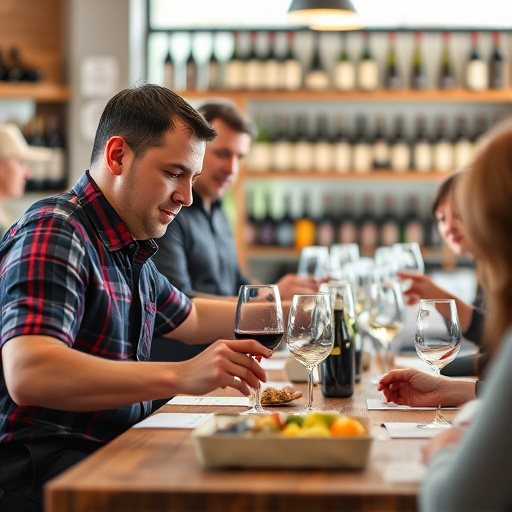
Attending blending workshops led by master winemakers offers an invaluable opportunity for enthusiasts to deepen their understanding of wine crafting. These in-person sessions, often hosted at renowned southern Arizona wineries like Griffin’s Gate or San Tan Vineyard, bring together aficionados and industry professionals alike. The intimate settings foster direct interaction with experts who share their nuanced approaches to blending, providing attendees with a practical, hands-on learning experience.
Master winemakers, through these workshops, delve into the intricate art of combining different grape varieties to create complex and harmonious wines. They impart insights on tasting profiles, aroma notes, and the science behind fermentation. For instance, participants might learn how subtle adjustments in blending can dramatically alter a wine’s character, from the delicate floral notes of a Pinot Noir to the robust tannins of a Cabernet Sauvignon. Real-world case studies from successful southern Arizona wineries naturally enrich these sessions, showcasing local excellence and providing tangible examples for practitioners-in-training.
Practical advice flows freely during these workshops, as winemakers share their strategies for troubleshooting common blending issues. They guide participants through sensory evaluations, teaching them to identify flaws and perfect their palates. Moreover, they offer valuable insights on equipment selection, sanitization protocols, and quality control measures essential for maintaining consistency in home-blending operations or small-batch production. Attendees leave not only with a deeper appreciation for the craft but also with tangible skills and confidence to create their own distinctive wine blends.
Exploring Grape Varieties and Their Role in Wine Blending

Attending blending workshops led by master winemakers offers an invaluable opportunity to delve into the intricate world of grape varieties and their profound impact on wine blending. These sessions, typically hosted at renowned southern Arizona wineries, naturally serve as crucibles for learning, where enthusiasts and professionals alike can explore the nuances that distinguish one grape from another. For instance, a recent study revealed that even minor variations in grape origins and cultivation techniques can significantly influence the final flavor profile of the wine, making these workshops essential for honing blending skills.
Master winemakers often focus on specific grape varieties known for their distinct characteristics. They guide participants through sensory analyses, showcasing how to identify flavors like citrus notes in Sauvignon Blanc or earthy undertones in Pinot Noir. Through hands-on exercises, attendees learn to blend different varietals to create harmonious combinations that reflect regional terroirs. At southern Arizona wineries, where diverse microclimates and soil types foster a wide range of grape varieties, these workshops become vibrant laboratories for experimentation. Participants gain practical insights into balancing acidity, sweetness, and tannin levels, all while understanding the role each grape variety plays in shaping the wine’s overall character.
Expert perspectives shared during these sessions underscore the importance of provenance. Winemakers emphasize that the same grape can produce vastly different wines depending on where it’s grown. For example, a Cabernet Sauvignon from Napa Valley might exhibit dark fruit flavors and robust tannins, while its counterpart from the cooler climate of Willamette Valley, Oregon, may offer more subtlety and cherry notes. This knowledge empowers attendees to make informed decisions when blending, allowing them to craft wines that tell compelling stories about specific places and their unique grape varieties. Ultimately, these workshops equip enthusiasts with the tools to appreciate the art of wine blending as a dynamic interplay between terroir and human skill.
The Art of Balancing Flavors: Creating Signature Blends

Mastering the art of balancing flavors is a skill honed over years of practice and study, making blending workshops led by seasoned winemakers an invaluable experience for anyone serious about winemaking. In these immersive sessions, participants gain direct insight from experts who have dedicated their careers to crafting distinctive blends at renowned southern Arizona wineries. The process involves much more than simply mixing grapes; it’s a delicate dance between understanding grape varieties, terroir, and the intricate chemistry of fermentation.
Workshop leaders often begin by emphasizing the importance of sensory evaluation, encouraging students to develop their palates through tasting exercises. This practice allows for an intuitive understanding of how different flavors interact and blend together. For instance, a winemaker might compare the nuances of Cabernet Sauvignon from various vineyards, highlighting subtle differences in tannins, acidity, and fruit profiles. Such insights are crucial when creating signature blends that tell a unique story about the wine’s origin.
A practical aspect often covered is the science behind flavor compounds. Winemakers must comprehend how different compounds—from alcohol and sugars to volatile acids and esters—interact during fermentation and aging. Balancing these elements is key to crafting well-rounded, appealing wines. For example, a red blend from southern Arizona might feature notes of cherry, tobacco, and spice, achieved by carefully selecting grapes with specific flavor profiles and managing the winemaking process accordingly. Through hands-on activities, students learn how adjustments in fermentation temperature or duration can significantly alter the final product.
Finally, these workshops delve into the art of aging, exploring different container types (stainless steel, oak barrels) and their impact on wine development. Experts share insights on when to blend batches, offering practical advice on creating blends that age gracefully over time. Participants leave with a deeper appreciation for the complexities involved in winemaking and a toolkit filled with knowledge they can apply to their own ventures, whether at home or in a professional setting.
Practical Tips for Home Blenders: Taking Your Skills to the Next Level
Attending blending workshops led by master winemakers can significantly elevate your skills as a home blender. These immersive experiences offer a chance to learn directly from industry experts who have years of experience refining their craft at renowned southern Arizona winery naturally. During these workshops, you’ll gain practical tips that go beyond the basics, delving into advanced techniques such as blending for specific grape varieties, understanding terroir’s impact on flavor profiles, and mastering the art of blending for different wine styles.
Master winemakers often share insights into their decision-making processes during blending, including how they select grapes from various vineyards and age wines to achieve desired characteristics. You’ll have opportunities to taste and analyze different blends, learning to identify nuances in flavors and aromas that contribute to a harmonious final product. Many workshops also include hands-on activities where you can apply what you’ve learned, experimenting with custom blends under expert supervision.
Beyond the technical aspects, these workshops foster a community of like-minded individuals passionate about wine. Networking with fellow home blenders allows for sharing ideas, resources, and tips, creating a supportive environment that encourages continuous learning. Remember that becoming a skilled blender is a journey; consistent practice, combined with knowledge gained from workshops, will help you refine your techniques and produce exceptional wines at home, whether you’re inspired by the diverse terroir of southern Arizona or simply exploring your creative palate.
Attending blending workshops led by master winemakers at Southern Arizona wineries offers a wealth of knowledge and practical skills for enthusiasts. Key takeaways include understanding unique blending techniques, leveraging grape varieties to create balanced flavors, and mastering the art of signature blend creation. These in-person sessions provide invaluable insights from industry experts, equipping home blenders with tools to elevate their craft. By exploring different varietals and their characteristics, participants gain a deeper appreciation for the science and artistry behind wine blending. Ultimately, these workshops empower individuals to confidently navigate their own blending journeys, producing indelible, personalized creations – all naturally guided by the rich traditions of Southern Arizona winery culture.