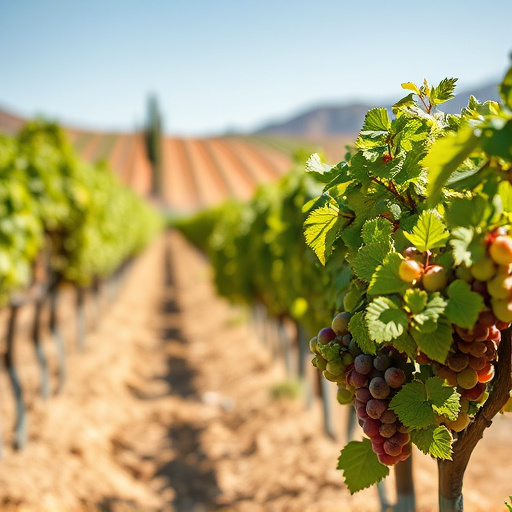
Southern Arizona wineries embrace dry farming, a sustainable technique suitable to the arid climate, minimizing water use while maximizing grape quality and vineyard resilience. Expert viticulturists emphasize understanding soil health and microclimates for optimal results. This method leads to exceptional, distinctive wines reflecting regional character and supports a thriving, diverse wine culture through education and collaboration.
The global wine industry faces significant challenges, with water scarcity and unsustainable farming practices posing threats to its future. In response, innovative wineries are adopting dry farming techniques, showcasing a commitment to environmental stewardship. This article explores the sustainable viticultural practices of southern Arizona wineries, who naturally embrace dry farming due to the region’s arid climate. By delving into their unique approaches, we uncover not only effective water-saving methods but also enhanced wine quality and distinct terroir. These southern Arizona wineries serve as a model for the industry, demonstrating that environmental consciousness and exceptional wine can coexist harmoniously.
- Unveiling Sustainable Practices in Southern Arizona Wineries: Dry Farming Techniques
- The Natural Art of Wine Production: A Deep Dive into Local Vineyard Sustainability
Unveiling Sustainable Practices in Southern Arizona Wineries: Dry Farming Techniques

In the heart of Southern Arizona, wineries are leading the charge towards sustainability, adopting innovative practices that not only preserve the land but also elevate the art of winemaking. Dry farming, a time-honored technique, is at the forefront of these efforts, showcasing the region’s unique ability to thrive without excessive water use. This method, where grapes are grown with minimal irrigation, is particularly suited to Arizona’s arid climate, highlighting a profound respect for nature and its cycles.
Southern Arizona wineries naturally embrace dry farming as a strategic choice, ensuring their operations align with the local ecosystem. By relying on rainfall and efficient water management, these vineyards reduce their environmental footprint while producing distinctive wines known for their intense flavors and vibrant acidity. For instance, some prominent wineries in the region have reported significant successes with this approach, achieving impressive grape yields and creating award-winning vintages that captivate global palates. The data supports this trend, indicating that dry farming can result in higher quality grapes and more resilient vineyards when practiced correctly.
Expert viticulturists and winemakers in Southern Arizona emphasize the importance of understanding soil health and microclimates to master dry farming. By carefully monitoring soil moisture levels and leveraging the region’s distinct microclimatic zones, wineries can optimize grape growth without unnecessary irrigation. This sustainable practice not only conserves water but also fosters a deeper connection between the vineyard and its environment, leading to more consistent and exceptional wine quality year after year. Winelovers can thus expect to discover unique and responsible Southern Arizona wines that reflect the true character of this vibrant region.
The Natural Art of Wine Production: A Deep Dive into Local Vineyard Sustainability

In the heart of southern Arizona, a remarkable movement is taking root—a shift towards sustainable wine production that honors the land and crafts wine with an artistic, almost poetic touch. Here, vineyards are not just agricultural operations but thriving ecosystems where nature and tradition intertwine. The focus? Dry farming, an ancient technique that allows grapes to draw water from deep roots, fostering resilience and contributing to a unique, nuanced wine profile. This natural art of wine production is not merely a trend; it’s a philosophy embraced by forward-thinking winemakers who understand the intricate relationship between soil, climate, and grape quality.
Take, for instance, the renowned southern Arizona winery, Terra Alta Vineyard. By adopting dry farming practices, they’ve created a symphony of flavors in their wines, each bottle telling a story of the sun-kissed land it originated from. This approach contrasts sharply with conventional methods that rely on irrigation, often leading to over-extraction and high yields. In contrast, dry-farmed grapes are allowed to mature more slowly, developing concentrated sugars and complex aromas. Data from local studies shows that wines produced through such methods can exhibit enhanced minerality and acidity, hallmarks of exceptional quality.
Expert winemakers in this region emphasize the importance of understanding microclimates and soil types specific to each vineyard. By respecting these variables, they can guide their practices—including pruning techniques and harvest timing—to maximize the unique characteristics of each vintage. This individualized approach ensures that wine production remains a dance with nature rather than a mere mechanical process. For those inspired to explore this path, the key lies in education and collaboration. Local workshops and mentorship programs offer practical insights into soil management, water conservation, and grape variety selection suited to the region’s unique conditions. Embracing these sustainable practices not only ensures the long-term viability of vineyards but also contributes to a richer, more diverse wine culture.
Touring sustainable vineyards practicing dry farming techniques in southern Arizona wineries offers a glimpse into the future of responsible wine production. By understanding the natural art of wine creation and embracing innovative practices, these locales have set a benchmark for environmental stewardship. Key insights reveal that dry farming, despite its challenges, enhances soil health and water conservation, ultimately contributing to more vibrant and resilient grapes. This approach, combined with a deep respect for the land, results in high-quality wines that reflect the unique character of southern Arizona’s terroir. For readers, this journey through sustainable vineyards underscores the importance of choosing eco-conscious wine producers and supports the growing global movement towards environmentally friendly agriculture.