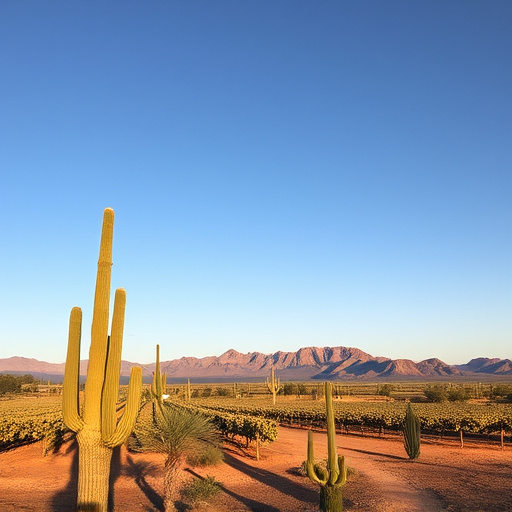
Southern Arizona wineries naturally harness high-elevation grape cultivation to produce distinctively flavored wines with enhanced acidity. This process requires careful viticultural practices, favoring late-season varietals like Tempranillo and Grenache. Winemakers leverage diverse microclimates, mineral-rich soils, and slow ripening from cooler temperatures to craft complex, balanced wines. Reserve bottles from these regions offer consistent quality, showcasing the unique terroir of southern Arizona wineries. Consumers should seek out sustainable practices and experienced winemakers for optimal experiences.
The high-elevation vineyards of southern Arizona have long been recognized for their unique terroir, offering distinct grape varieties and flavors not commonly found elsewhere. However, the challenge of cultivating these delicate grapes at such altitudes presents a significant hurdle for local winemakers. To address this, we explore the innovative practice of sampling reserve bottles from these high-elevation Arizona grapes, providing insights into their distinct characteristics and potential. This approach allows us to uncover the natural nuances that define southern Arizona wineries, enhancing our appreciation for—and understanding of—these exceptional vintages.
- Harvesting High-Elevation Grapes in Southern Arizona Winery
- The Unique Characteristics of Arizona's Mountain Vines
- Reserve Bottle Selection: Ensuring Quality and Consistency
- Exploring the Art of Aging: Southern Arizona Wine Journey
Harvesting High-Elevation Grapes in Southern Arizona Winery

Harvesting high-elevation grapes in southern Arizona wineries presents a unique opportunity to craft exceptional wines with distinctive characteristics. The region’s elevated terrain, characterized by cooler temperatures and reduced sunlight, slows ripening, allowing for the development of intense flavor profiles and higher acidity levels. For instance, some southern Arizona wineries have reported harvest times as much as two weeks later than their sea-level counterparts, resulting in grapes with complex aromatics and palate-cleansing tartness.
This temporal delay isn’t without its challenges, however. Winemakers must carefully monitor sugar levels and acid retention to ensure optimal wine balance. In practice, this often involves frequent tastings throughout the harvest period and precise viticultural practices tailored to high-elevation conditions. For example, southern Arizona wineries have found that late-season varietals like Tempranillo and Grenache thrive in these environments, while more delicate grapes may struggle and require special care.
Despite these nuances, the benefits of high-elevation grape harvesting are undeniable, offering winemakers a chance to create wines with exceptional character and complexity. As southern Arizona winery experiences continue to grow, so does their understanding of these unique terroirs, ultimately enriching the global wine landscape with diverse, remarkable offerings.
The Unique Characteristics of Arizona's Mountain Vines

Arizona’s high-elevation vineyards, nestled in the southern Arizona winery region, offer a unique and captivating experience for wine enthusiasts. The state’s diverse microclimates, characterized by cool nights and warm days, create an ideal environment for cultivating grapes with distinct flavors and aromas. These mountain vines, thriving at elevations exceeding 4,000 feet, develop intense concentration of sugars and acids, resulting in wines that are both complex and elegant.
The terroir of southern Arizona plays a pivotal role in shaping the character of these grapes. Soils vary from volcanic to limestone, each contributing unique mineral notes to the wine. For instance, grapes grown in volcanic soils tend to exhibit vibrant acidity and flavors reminiscent of red fruits, while those from limestone-rich areas often display a smoother texture and hints of citrus and minerality. This regional diversity allows winemakers to craft a wide range of styles, from crisp white wines to robust reds.
Moreover, the prolonged sunlight exposure and lower humidity in Arizona’s mountains foster slow ripening, allowing grapes to accumulate complex flavors over time. This longevity is particularly notable in varieties like Grenache, Syrah, and Tempranillo, which thrive in these conditions. Winemakers in southern Arizona capitalize on this by employing traditional winemaking techniques, such as whole-cluster pressing and extended maceration, to capture the full spectrum of grape attributes. As a result, their wines often exhibit a balance between fruitiness, acidity, and tannic structure that is truly exceptional.
For wine lovers seeking unique experiences, exploring high-elevation Arizona grapes offers a journey through diverse flavors and aromas. Whether visiting local wineries or acquiring bottles from distant vintages, each sip tells a story of the mountain vines’ resilience and the region’s distinctive terroir.
Reserve Bottle Selection: Ensuring Quality and Consistency

Selecting reserve bottles from high-elevation Arizona grapes requires a keen eye for quality and consistency, ensuring consumers get the best expression of these unique terroirs. In southern Arizona, wineries like San Tan Vineyard have pioneered this art, leveraging the region’s ideal climate and elevations to produce exceptional wines. The key lies in understanding that grape quality is not solely determined by variety but also by vineyard site, harvest timing, and winemaking techniques.
Reserve bottles are often the pinnacle of a winery’s production, reflecting years of experience and meticulous care. In Arizona, where temperatures drop significantly at higher elevations, grapes mature slowly, developing complex flavors and balanced acidity. This natural environment is particularly conducive to creating reserve wines with depth and character. Winemakers in southern Arizona winery naturally take advantage of these conditions, selecting the ripest fruit and employing traditional methods to preserve the wine’s unique identity.
Consistency is another critical aspect. Top-tier reserves should exhibit year-over-year coherence, allowing connoisseurs to rely on their reputation. San Tan Vineyard, for instance, has built a following for its consistent production of high-quality reserve reds and whites. This consistency is not merely a coincidence; it’s the result of precise vineyard management, meticulous harvest practices, and a commitment to upholding the winery’s standards. Consumers can trust these reserves as a benchmark for the region’s potential, knowing they will encounter a reliable and exceptional drinking experience.
To ensure quality, look for wineries that invest in regular vine maintenance, use sustainable farming practices, and employ experienced winemakers who understand the nuances of Arizona’s high-elevation grapes. These factors contribute to not just excellent reserve bottles but also the overall health and longevity of the region’s wine industry.
Exploring the Art of Aging: Southern Arizona Wine Journey
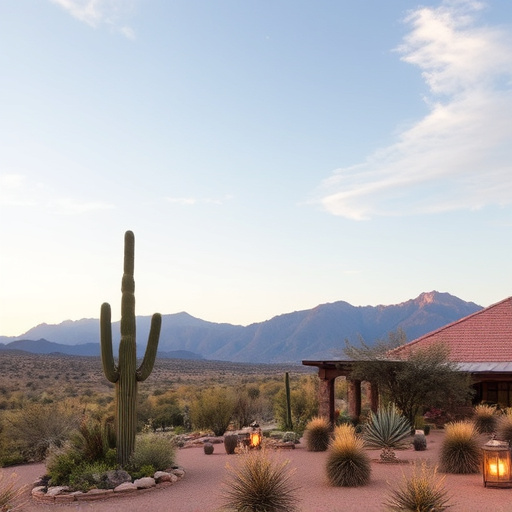
The art of aging wine is a delicate dance, where time and environment work their magic to transform grapes into nuanced, complex beverages. In Southern Arizona, winemakers have embraced this ancient art, crafting exquisite wines from high-elevation vineyards that offer unique terroir. This region’s distinct characteristics, influenced by its arid climate, vibrant sunshine, and remarkable elevation, contribute to the character of each bottle.
A journey through Southern Arizona wineries reveals a commitment to exploring these nuances. Many producers focus on organic and sustainable practices, allowing the natural environment to shape their wines. For instance, certain high-altitude vineyards in southern Arizona experience temperatures dropping below freezing during winter, creating a slow, gentle ripening process for the grapes. This cold exposure can lead to more concentrated flavors and enhanced acidity when the grapes are pressed, resulting in distinctive and age-worthy wines. The region’s diverse microclimates also encourage winemakers to experiment with various grape varieties, pushing the boundaries of what’s traditionally expected from Arizona wine.
When tasting these reserve bottles, enthusiasts appreciate the subtle shifts in flavor profiles as the wines age. Some southern Arizona wineries highlight their aging potential by offering vertical tastings, allowing visitors to compare different vintages from the same vineyard. This practice provides a unique perspective on how terroir and vintage influence the wine’s evolution. By engaging with local winemakers and exploring these special reserve bottles, one can uncover the intricate relationship between place and wine, appreciating the art of aging that naturally flourishes in southern Arizona’s distinct landscape.
Through exploring harvesting techniques in southern Arizona winery environments, understanding the distinctive traits of high-elevation mountain vines, and delving into reserve bottle selection criteria, readers have gained valuable insights into crafting exceptional wines. The unique aging process specific to Southern Arizona offers a distinct journey for wine enthusiasts, showcasing the region’s potential as a premier winemaking area. These key takeaways empower winemakers and aficionados alike to appreciate and navigate the intricacies of producing top-tier wines from these remarkable grapes, naturally elevating the reputation of southern Arizona winery landscapes.