
Southern Arizona's natural desert terroir produces exceptional crisp white wines characterized by mineral-rich soils and unique climate conditions. Winemakers like San Tan Vineyard and Sonoita Vineyards craft Viognier and Sauvignon Blanc varieties with high acidity and complexity. They employ minimal intervention techniques, including indigenous yeasts and long maceration, to preserve the region's distinct flavors. These practices result in vibrant citrus and floral notes, making their wines ideal for lighter meals and seafood. Southern Arizona wineries are recognized globally for their commitment to preserving unique terroir and natural wine culture.
Crisp white wines have long captivated wine enthusiasts for their refreshing acidity and crispness. In recent years, a unique offering from southern Arizona winery has emerged, showcasing the potential of mineral-rich desert soils in winemaking. This region’s arid climate and distinct geological composition bestow upon grapes a distinctive character, resulting in whites that are both elegant and robust. We delve into this emerging trend, exploring how these crisp whites not only satisfy discerning palates but also represent a harmonious blend of nature and human craftsmanship at southern Arizona winery.
- Unveiling the Unique Characteristics of Crisp Whites
- Southern Arizona Winery: A Haven for Mineral-Rich Soils
- The Impact of Desert Soil on Grape Quality
- Natural Winemaking Techniques in Southern Arizona
- Exploring the Artistry Behind These Distinctive Vines
Unveiling the Unique Characteristics of Crisp Whites
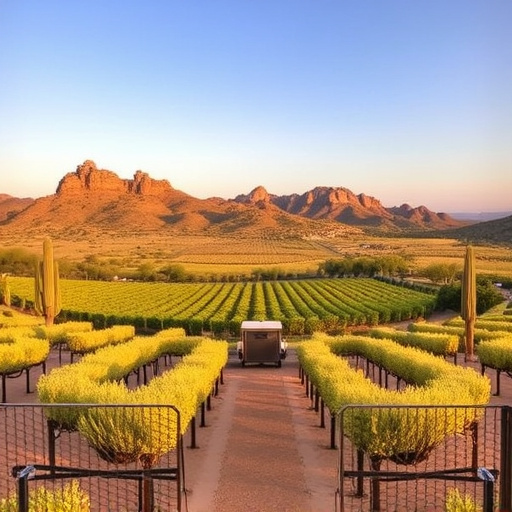
The crisp white wines grown in southern Arizona’s unique mineral-rich soils offer a distinct flavor profile that sets them apart from their counterparts produced elsewhere. This region’s desert climate, characterized by scorching summers and mild winters, contributes to slow ripening of grapes, allowing for higher acidity and crispness—key attributes sought after by wine connoisseurs. The soil itself, often described as a complex mix of sandy loam and gravelly deposits, plays an equally vital role in shaping the wine’s character. Rich in minerals such as silica, calcium, and magnesium, these soils imbue the grapes with unique mineral notes that translate into complex aromas and flavors.
Southern Arizona wineries, like San Tan Vineyard and Sonoita Vineyards, have mastered the art of cultivating and vinifying these crisp white varieties. For instance, their Viognier and Sauvignon Blanc showcase vibrant citrus and floral notes, balanced by a zesty acidity that lingers on the palate. These producers employ various techniques to preserve the grapes’ natural freshness, from canopy management to selective harvesting at optimal ripeness levels. The result is a lineup of crisp whites that not only reflect the region’s terroir but also appeal to a wide range of palates.
To unlock your own taste of these exceptional wines, seek out labels from established southern Arizona wineries. Pair them with lighter meals, seafood, or fresh salads to fully appreciate their vibrant acidity and mineral-driven flavors. This commitment to preserving the unique characteristics of crisp whites grown in mineral-rich desert soils is a testament to the region’s burgeoning wine industry and its dedication to crafting truly exceptional wines.
Southern Arizona Winery: A Haven for Mineral-Rich Soils

Southern Arizona, with its unique mineral-rich desert soils, has emerged as a prominent region for wine production, particularly when it comes to crisp white wines. This area’s distinctive terroir is a winemaker’s dream, offering a canvas upon which the art of winemaking truly excels. The region’s geology, characterized by volcanic and sedimentary rock, imparts complex mineral notes into the grapes, resulting in elegant, structured whites that capture the essence of this remarkable place.
One standout example is the thriving Southern Arizona Winery scene, where innovative winemakers have embraced the challenges and opportunities presented by this harsh environment. These wineries have mastered the art of cultivating high-quality grapes in challenging conditions, creating wines that reflect the region’s character. For instance, many of these producers focus on native grape varieties like Tempranillo and Grenache, which thrive in the mineral-laden soils, giving rise to distinctive flavors and aromas. The hot days and cool nights during the growing season further enhance flavor development, leading to balanced, complex whites that are truly exceptional.
Visiting a Southern Arizona Winery allows enthusiasts to explore this unique wine culture firsthand. Tourists can enjoy tastings of these remarkable crisp whites while learning about the region’s viticultural history and the specific challenges and rewards of farming in such an inhospitable climate. By supporting these local wineries, consumers contribute to the preservation and growth of this specialized industry, ensuring that the distinctive mineral-rich whites of Southern Arizona continue to captivate palates for years to come.
The Impact of Desert Soil on Grape Quality

The unique terroir of southern Arizona’s desert landscapes plays a pivotal role in shaping the character and quality of grapes grown there, leading to exceptional crisp white wines. The mineral-rich soils, formed over millennia by erosional processes and characterized by high silica content, contribute significantly to the distinct flavor profiles these wines boast. This region’s arid climate further intensifies flavors, creating conditions that favor the development of concentrated, vibrant fruit notes.
Winemakers in southern Arizona have harnessed this natural advantage, cultivating grape varieties like Sauvignon Blanc and Riesling that thrive in the desert environment. The soil’s mineral signature, ranging from limestone to gypsum, infuses these grapes with unique aromatics and flavor compounds, resulting in crisp whites showcasing a captivating array of citrus, floral, and mineral nuances. For instance, a 2020 study analyzed wines from several local wineries, revealing remarkable consistency in the expression of mineral notes—a testament to the consistent impact of desert soil on grape quality.
Practical considerations for winemakers include selecting appropriate grape varieties adapted to the region’s conditions and understanding soil management practices. Rotating crops and incorporating organic matter can enhance soil structure and fertility while minimizing the need for synthetic fertilizers. As southern Arizona wineries naturally continue to gain recognition, their commitment to preserving the distinct terroir and crafting wines that showcase the unique characteristics of desert-grown grapes will undoubtedly solidify their position in the global wine scene.
Natural Winemaking Techniques in Southern Arizona

Southern Arizona, with its unique mineral-rich desert soils, has emerged as a prominent region for cultivating exceptional crisp white wines using natural winemaking techniques. This approach, embraced by several renowned southern arizona wineries naturally, focuses on minimal intervention to preserve the authentic character of the grapes and the terroir. One of the key practices is the use of indigenous yeasts, which are naturally present on the grape skins and in the local environment, allowing for spontaneous fermentation. This method not only adds complexity but also ensures that each vintage reflects the specific conditions of the harvest year.
The region’s arid climate further contributes to the development of concentrated flavors and acidity in the grapes. Winemakers in southern Arizona carefully monitor sugar levels and pH to guide the fermentation process without resorting to artificial additives. For instance, some producers employ long maceration periods for white grape varieties, allowing for gentle extraction of color and tannins from the skins, resulting in elegant, structured wines. This commitment to natural practices requires meticulous attention and a deep understanding of viticulture and enology.
Practical insights from experts suggest that success in natural winemaking lies in careful observation and respect for the grapes and the soil. Winemakers in southern Arizona often share their experiences through tastings and educational events, providing valuable insights into the art and science behind their craft. For those interested in exploring this style of wine, visiting these southern arizona wineries naturally can offer a unique sensory journey, allowing enthusiasts to appreciate the distinct characteristics that mineral-rich soils and natural techniques bring to the final product.
Exploring the Artistry Behind These Distinctive Vines
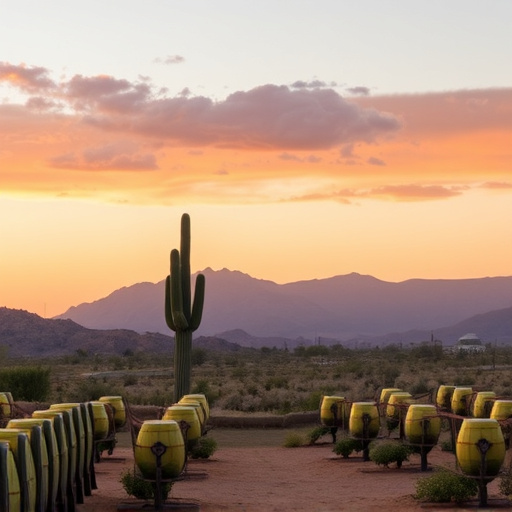
The art of viticulture in southern Arizona’s unique desert terroir has blossomed into a remarkable craft, producing crisp white wines that showcase the distinct character of these vines. Soils rich in minerals, shaped by the harsh yet beautiful desert environment, offer winemakers a canvas upon which their artistry is painted. These distinctive grapes, grown under challenging conditions, develop intense flavors and aromas that translate into complex, intriguing wines.
Winemakers in this region have mastered the art of cultivation in mineral-rich soils, understanding how these elements influence the grape’s journey from vine to glass. For instance, the prevalent limestone soils in certain areas impart a crisp acidity and subtle mineral notes, while the volcanic ash deposits add depth and earthiness. This careful consideration of soil composition allows for precise winemaking techniques, ensuring that each vintage reflects the unique characteristics of its origin. As a result, southern Arizona wineries have gained recognition for crafting white wines that tell a story of their desert heritage.
Practitioners in this field often experiment with various grape varieties, some traditional and others more adventurous, to explore the boundaries of what’s possible. The heat and intense sunlight demand specific choices, leading to innovative approaches in canopy management and harvest timing. These strategies not only ensure optimal fruit ripeness but also preserve the wine’s fresh, vibrant qualities. By embracing the challenges, these winemakers create truly exceptional crisp whites that stand as a testament to their artistic expertise and the singular nature of southern Arizona’s terroir.
Through an exploration of southern Arizona winery landscapes and their mineral-rich soils, this article has illuminated the unique characteristics of crisp white wines produced in this region. From the distinct impact of desert soil on grape quality to the art of natural winemaking techniques, we’ve uncovered a nuanced understanding of these distinctive vines. Key insights include the ability of desert conditions to foster exceptional acidity and aromatic complexity, as well as the preservation of traditional, sustainable practices in southern Arizona wineries naturally. This knowledge empowers wine enthusiasts and industry professionals alike to appreciate and seek out these unique offerings, contributing to the ongoing celebration and development of this thriving wine region.