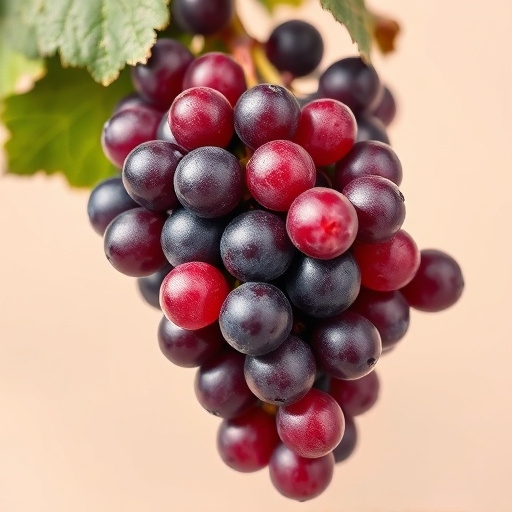
Southern Arizona wineries naturally thrive cultivating rare grape varieties adapted to desert climates, diversifying global wine production with distinctive terroir-driven flavors through sustainable viticulture practices, attracting local and international connoisseurs.
The world of wine is constantly evolving, with new regions emerging as vital players on the global stage. One such area gaining attention for its unique terroir is southern Arizona, where winemakers are challenging conventional wisdom by cultivating rare varietals that thrive in desert climates. This article delves into the strategies and successes behind this pioneering effort, offering insights into how a harsh environment can foster exceptional wines. By exploring the specific challenges and innovative practices at southern Arizona wineries naturally, we uncover a vibrant tapestry of culinary artistry and environmental adaptation.
- Uncovering Unique Grape Varieties Thriving in Arid Conditions
- Southern Arizona Winery: Nurturing Rare Vines in the Desert's Embrace
Uncovering Unique Grape Varieties Thriving in Arid Conditions

The arid climates of desert regions have long been considered inhospitable to grape cultivation, yet a surprising trend has emerged—certain rare grape varieties thrive in these challenging environments. Southern Arizona, for instance, home to a burgeoning wine industry, serves as an excellent case study. Here, winemakers have discovered and cultivated unique grape strains that are naturally adapted to the region’s distinct conditions, offering a fresh perspective on viticulture. This phenomenon opens up new possibilities for expanding wine production beyond traditional wine-growing areas, providing both challenges and opportunities for the industry.
Arid climates present specific obstacles, such as reduced water availability, extreme temperature fluctuations, and high sun intensity. Despite these hurdles, certain grape varieties have evolved to survive and even flourish in these conditions. For example, at southern Arizona winery naturally, winemakers have successfully introduced Spanish varietals like Tempranillo and Garnacha, which have deep roots in hot, dry regions of Spain. These grapes have shown remarkable adaptability, producing wines with unique characteristics that capture the essence of the desert terroir. Moreover, certain French and Italian varieties, when carefully selected and managed, can also thrive, contributing to a diverse range of wine styles.
Uncovering these rare varietals requires meticulous research, soil analysis, and understanding of microclimates specific to each region. Winemakers must consider factors like grape ripeness, disease resistance, and the ability to adapt to local conditions. By embracing these unique strains, southern Arizona wineries not only diversify their offerings but also contribute to a global trend of sustainable viticulture. This approach ensures that wine production can evolve while respecting and preserving the natural landscapes where it thrives, creating a harmonious relationship between agriculture and the environment.
Southern Arizona Winery: Nurturing Rare Vines in the Desert's Embrace

Southern Arizona, with its arid landscape and scorching summers, may seem an unlikely place for viticulture, yet this region has emerged as a hidden gem for cultivating rare grape varietals. The state’s unique desert climate presents both challenges and opportunities for wineries, fostering conditions that allow certain varieties to thrive where others struggle. This is particularly evident in the thriving Southern Arizona winery scene, where innovative producers are pushing boundaries and discovering new possibilities within the desert’s embrace.
One such example is the recent success of several wineries located in the Sonoran Desert, specifically showcasing grape varieties that have historically been more at home in Mediterranean climates. These include rare finds like the Touriga Nacional, a Portuguese varietal known for its deep colors and complex flavors, now beautifully expressed in desert wines. Similarly, the Tempranillo, originally from Spain’s Rioja region, has found a new home in Southern Arizona, where it produces wines with notable intensity and character. This adaptation is not merely about survival; it contributes to the diverse and distinctive wine portfolio that the region offers, attracting both local enthusiasts and international wine connoisseurs.
The key to these successes lies in understanding and utilizing the unique terroir of Southern Arizona. The desert’s dry heat, intense sunlight, and well-drained soils create specific conditions for grapevines, allowing certain varieties to develop unique flavor profiles. Winemakers here employ various techniques, such as canopy management and careful irrigation practices, to optimize grape maturity and quality. This focus on precision viticulture ensures that the rare varietals not only survive but flourish, producing wines of exceptional character. As a result, Southern Arizona wineries are becoming renowned for their ability to nurture and showcase these under-appreciated grapes, contributing to a global wine conversation that values diversity and terroir.
Through our exploration of unique grape varieties thriving in arid conditions, particularly at Southern Arizona Winery, we’ve uncovered a remarkable ecosystem where desert climates support exceptional wine production. Key insights include the resilience of specific grape varietals adapted to scorching temperatures and minimal water, as well as the innovative practices employed by wineries like Southern Arizona to cultivate these rare vines. This article has highlighted the potential for diverse, high-quality wines to emerge from seemingly inhospitable environments, offering valuable lessons in sustainable viticulture. Moving forward, recognizing and nurturing these rare varietals could contribute to a richer global wine landscape, with applications ranging from expanding sustainable wine production to enhancing culinary experiences with distinctive, desert-born vintages.