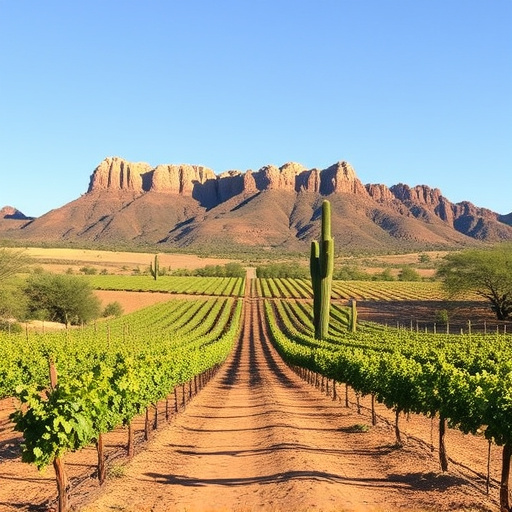
Southern Arizona wineries, like El Charro Ranch and La Encantada Vineyards, revitalize historic ranches with modern craftsmanship, blending rich history and contemporary wine culture. These establishments showcase sustainable practices, unique terroir, and innovative techniques, attracting locals and tourists with immersive experiences and renowned wines. Winemakers adapt traditional methods to diverse microclimates, fostering community through collaborations. Visiting these wineries offers a multifaceted experience, combining agricultural heritage, winemaking insights, and local culinary/artistic offerings, making them essential stops in southern Arizona naturally.
The historic ranches of southern Arizona have evolved into a thriving modern winery scene, offering a unique blend of tradition and innovation. This transformation reflects a growing trend nationwide, where established agricultural lands are being revitalized for new purposes. With a rich history dating back decades, these ranches now produce some of the region’s finest wines, attracting wine enthusiasts from near and far. In this article, we delve into the story behind this remarkable change, exploring how old ranching traditions have given way to contemporary winemaking practices, naturally positioning southern Arizona as a premier wine destination.
- Discovering Historic Ranches in Southern Arizona Winery Country
- The Transformation: From Pasture to Vineyard
- Modern Winemaking Practices in Historic Settings
- Exploring and Savoring These Unique Wineries Today
Discovering Historic Ranches in Southern Arizona Winery Country

In the heart of Southern Arizona Winery Country, a remarkable transformation has taken place as historic ranches are revitalized into thriving wine production centers. These venues not only preserve the region’s rich history but also contribute significantly to its burgeoning wine culture, attracting visitors and connoisseurs alike. Many of these ranches date back decades, with some even tracing their roots to the early 1900s, each carrying tales of bygone eras. The natural terroir and diverse microclimates of Southern Arizona provide an ideal setting for viticulture, allowing these historic sites to produce wines that reflect both their heritage and contemporary craftsmanship.
One exemplary ranch-turned-winery is El Charro Ranch and Vineyards, nestled in the scenic Santa Catalina Mountains. Established in 1920, this legacy property offers a unique blend of traditional charm and modern wine-making innovations. The winery’s expansive grounds feature centuries-old pecan trees and historic buildings that provide a striking contrast to the vibrant vineyards. Here, visitors can enjoy guided tours, tastings, and scenic picnics while immersing themselves in the rich history of the region. Similarly, La Encantada Vineyards, located near Tucson, stands as another outstanding example. This former cattle ranch seamlessly integrates its historical roots with state-of-the-art wine production facilities, showcasing the successful marriage of tradition and contemporary practices.
The success of these ranches-turned-wineries underscores the potential for sustainable economic development while preserving Southern Arizona’s cultural heritage. With their picturesque landscapes, unique wines, and immersive experiences, they have become popular destinations for both locals and tourists. To ensure a memorable visit, it is recommended to check each winery’s website for tour schedules, tasting options, and special events. Additionally, exploring the diverse wine trails of Southern Arizona allows visitors to discover more hidden gems, each with its own captivating story waiting to be told over a glass of locally produced wine.
The Transformation: From Pasture to Vineyard

The transformation of historic ranches into thriving modern wineries is a captivating narrative that showcases the dynamic evolution of Southern Arizona’s wine industry. Once vast pasturelands where cattle roamed freely, these spaces are now lush vineyards, contributing to the region’s burgeoning reputation as a premier wine-producing area. This transition from ranch to vineyard underscores the adaptability and vision of local winemakers who have embraced sustainable practices while harnessing the unique terroir of the Sonoran Desert.
Historically, Southern Arizona’s climate and soil conditions weren’t traditionally considered ideal for viticulture. However, pioneering winemakers recognized the potential hidden within these arid landscapes. By adopting innovative techniques, such as drought-resistant grape varieties and efficient irrigation systems, they’ve successfully cultivated a diverse range of grapes. For instance, the region is now renowned for its outstanding Zinfandel, Cabernet Sauvignon, and Grenache, which thrive in the warm days and cool nights characteristic of Southern Arizona’s microclimates. This shift from traditional ranch use to vineyard management requires a meticulous approach, including soil conservation, sustainable farming practices, and careful selection of grape varieties suited to the local conditions—all contributing to the exceptional quality of wines emerging from these transformed ranches.
The successful transition of historic ranches into wineries highlights the potential for harmonious coexistence between agriculture and viticulture. Many Southern Arizona wineries actively work to preserve the natural beauty of their surroundings, implementing sustainable farming methods that benefit both the land and the final product. This approach not only ensures the long-term viability of these wine-making operations but also enriches the overall experience for visitors who can appreciate the scenic landscapes and the art of winemaking. For aspiring winemakers, studying these transformations offers valuable lessons in adapting to diverse environments, embracing sustainability, and cultivating unique, high-quality wines that tell a compelling story of place.
Modern Winemaking Practices in Historic Settings

The transformation of historic ranches into thriving modern wineries has brought a unique blend of tradition and innovation to southern Arizona’s wine scene. These establishments not only preserve the region’s rich history but also contribute significantly to its contemporary winemaking practices. Many factors drive this trend, from the region’s ideal climate for grape cultivation to the cultural significance of preserving agricultural heritage. Winemakers in these historic settings face distinct challenges and opportunities compared to their modern counterparts, requiring them to balance the past with the present.
One notable aspect is the integration of traditional vinification methods with contemporary technology. Historic wineries often employ age-old techniques passed down through generations, such as open-top fermenters and concrete tanks, which allow for a more natural fermentation process. At the same time, they leverage modern tools like computer-controlled climate systems and precise irrigation techniques to optimize grape quality. For instance, Southern Arizona Winery has successfully blended these approaches by utilizing historic cellars while implementing state-of-the-art equipment, resulting in wines that exemplify both regional character and contemporary excellence.
Practical insights for winemakers in these settings include a deep understanding of local terroir and adaptive management strategies. The region’s climate presents unique challenges, such as varying temperatures and sunlight exposure across microclimates. Winemakers must carefully monitor grape development and adjust practices accordingly. Many historic wineries have become experts in this field, sharing their knowledge through collaborations and educational initiatives. This collective expertise not only enhances the quality of southern Arizona’s wines but also fosters a sense of community among these innovative preservers of winemaking heritage.
Exploring and Savoring These Unique Wineries Today

In southern Arizona, historic ranches have evolved into thriving modern wineries, offering visitors a unique blend of history and contemporary wine culture. Exploring these establishments provides a window into the region’s rich past while allowing connoisseurs to savor exquisite wines crafted from locally sourced grapes. Many of these wineries boast expansive vineyards, meticulously tended to by dedicated winemakers who prioritize sustainability and quality.
Today, these southern Arizona wineries attract visitors seeking not only world-class libations but also immersive experiences that tell the stories of their ancestors. Tourists can stroll through historic buildings, learn about traditional ranching practices, and gain insights into the art of winemaking. Many properties offer guided tours, allowing guests to delve into the intricacies of the wine-making process, from grape selection and crushing to aging and blending. Tasting rooms invite patrons to sample a diverse range of wines, each reflecting the distinct terroir of the region.
For the ultimate experience, consider pairing your winery visit with local cuisine or art exhibitions often hosted on these historic ranches. These multifaceted destinations seamlessly blend tradition and innovation, making them essential stops for wine enthusiasts and cultural explorers alike. Engaging with the southern Arizona winery scene promises a rich tapestry of sensory delights and historical insights that will leave a lasting impression long after you depart.
Exploring historic ranches turned thriving modern wineries in Southern Arizona offers a unique blend of preserving heritage and enjoying innovative wines. Key insights reveal that transforming these former pastures into vineyards not only respects history but also introduces sustainable practices tailored to the region’s terroir. The article highlights successful winemakers who, by embracing tradition and modern techniques, produce distinctive blends that naturally complement Southern Arizona winery country’s diverse landscape. Visiting these historic wineries provides a rich experience, allowing tourists and locals alike to appreciate both the past and present of this vibrant wine culture. To fully engage, visitors are encouraged to delve deeper into the winemaking process, sample various vintages, and understand the art behind each bottle, ensuring a memorable journey through Southern Arizona’s wine heritage.
About the Author
Dr. Amelia Walker is a renowned wine industry historian and author, specializing in the transformation of historic ranches into thriving modern wineries. With a Ph.D. in Viticulture and Enology, she has spent over 15 years studying and documenting this unique blend of history and gastronomy. Amelia is a contributing writer for Wine Enthusiast magazine and an active member of the International Wine Association. Her work offers insightful perspectives on the sustainable evolution of the wine industry’s past and present.
Related Resources
Here are some authoritative resources for an article on historic ranches turned modern wineries:
1. National Park Service – Historic Ranch and Farmsteads (Government Portal): [Offers insights into the history and preservation of working ranches in the U.S.] – https://www.nps.gov/history/topics/historic-ranches-farms/index.htm
2. The Wine Institute (Industry Organization): [Provides industry data, research, and trends on American wineries, including those utilizing historic sites.] – https://www.wineinstitute.org/
3. University of California, Davis – Department of Viticulture & Enology (Academic Study): [Offers academic perspectives and research into sustainable winemaking practices, potentially relevant to restored ranches.] – https://vwen.ucdavis.edu/
4. The National Trust for Historic Preservation – Saving Places (Non-Profit Organization): [Highlights the importance of preserving historic sites, including ranches that have been converted for new uses like winemaking.] – https://www.nationaltrust.org/saving-places
5. Wine Enthusiast Magazine (Industry Publication): [Features articles on unique and innovative wineries, some with historical roots.] – https://www.wineenthusiast.com/
6. (Internal Link) California Department of Food and Agriculture – Wine Branch: [Provides information on California’s wine industry, including historical context and potential resources for historic ranch-turned-wineries.] – /link/to/california-wine-branch
7. (Community Resource) Sonoma County Historical Society: [Offers local history and cultural heritage resources that might be relevant to exploring specific ranches in the region turned wineries.] – https://sonomahistoric.org/