
Southern Arizona wineries lead global wine industry towards sustainability through organic viticulture. Employing eco-friendly practices, they minimize chemical inputs while enhancing grape quality and ecosystem health. Educational programs teach holistic vineyard management, fostering innovation and ecological awareness. Winemakers use cover cropping, beneficial insects, drip irrigation, and natural pest control, demonstrating that environmental stewardship and quality are intertwined. This commitment inspires global producers to adopt sustainable practices for future generations of wine enthusiasts.
As the global wine industry faces increasing environmental challenges, adopting sustainable practices becomes paramount. Organic viticulture, a method that minimizes chemical inputs and promotes ecological balance, is gaining traction. In Southern Arizona, wineries are at the forefront of this movement, showcasing how natural approaches can yield exceptional wines. This article delves into the educational aspect of these vineyards, where enthusiasts and aspiring winemakers can learn organic techniques, gain practical skills, and contribute to a more sustainable future for the industry. By exploring these educational opportunities, we empower individuals to make informed choices and foster a deeper connection with nature’s delicate balance.
- Discovering Organic Viticulture: A Natural Approach
- Southern Arizona Winery: Naturally Sustainable Practices
- Educational Vineyards: Growing Knowledge in the Field
- Implementing Organic Methods: From Theory to Harvest
Discovering Organic Viticulture: A Natural Approach
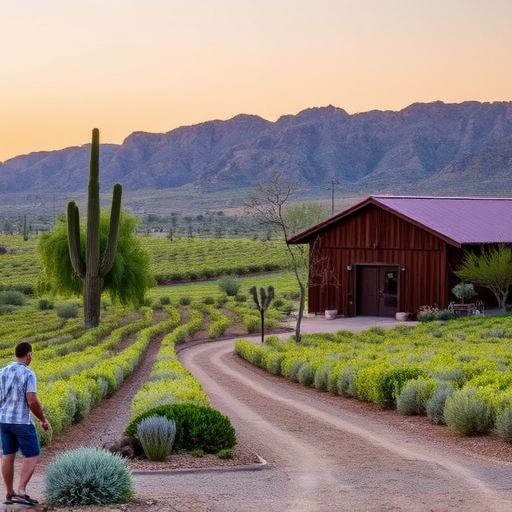
Organic viticulture, a harmonious marriage of nature and winemaking, is revolutionizing the wine industry. This approach, free from synthetic chemicals, demands a deeper understanding of grapevines and their ecosystem. Educational vineyards, like those found in southern Arizona, offer invaluable learning grounds for winemakers seeking to embrace this natural method. At these sites, enthusiasts can observe firsthand the intricate dance between vines, soil, and climate, fostering a profound respect for organic viticulture’s intricacies.
For instance, southern Arizona wineries naturally thrive in a unique microclimate, providing an ideal setting for exploring organic practices. The region’s hot, dry summers and mild winters create perfect conditions for specific grape varieties that are more sensitive to chemical inputs. Winemakers here learn to work with nature rather than against it, employing techniques like cover cropping, compost tea, and beneficial insect introductions to manage pests and diseases. These methods not only ensure healthier vines but also contribute to a more sustainable and biodiverse vineyard ecosystem.
Practical knowledge is key to mastering organic viticulture. Educational programs offer hands-on training in soil management, canopy management, and harvesting techniques tailored to organic practices. Winemakers can learn how to identify and address issues naturally, from recognizing nutrient deficiencies in the soil to selecting the right organic fungicides and fertilizers. By understanding these natural solutions, vintners can produce high-quality wines while minimizing their environmental footprint. Ultimately, embracing organic viticulture is not just a trend but a commitment to preserving the earth’s resources for future generations of wine enthusiasts.
Southern Arizona Winery: Naturally Sustainable Practices

In the heart of Southern Arizona, wineries have embraced organic viticulture methods, setting a benchmark for sustainable practices within the industry. This region’s unique terroir, characterized by arid climates and varied soils, presents both challenges and opportunities for grape growers. Winemakers here have pioneered techniques that not only minimize environmental impact but also enhance the quality and uniqueness of their wines. For instance, many Southern Arizona wineries naturally avoid synthetic pesticides by implementing biological control methods, utilizing beneficial insects to manage pests. This approach not only reduces chemical residues in the grapes but also promotes a healthier ecosystem within the vineyard.
One standout example is [ Winery Name ], renowned for its holistic viticultural practices. They achieve natural sustainability through diverse strategies. For water conservation, the winery employs drip irrigation systems and collects rainwater, reducing their reliance on municipal supplies. Additionally, [ Winery Name ] fosters beneficial relationships with local wildlife by preserving habitat areas around the vineyard, allowing for natural predators to control pests, further minimizing the need for chemical interventions. These sustainable practices not only contribute to the overall health of the ecosystem but also translate into more nuanced and expressive wines.
By adopting organic viticulture methods, Southern Arizona wineries demonstrate a commitment to long-term environmental stewardship while producing exceptional wines. Their success inspires other producers worldwide to reconsider their approach to agriculture, proving that sustainability and quality can go hand in hand. Winemakers in this region continue to innovate, sharing their expertise through educational programs and visits, enabling enthusiasts and aspiring vintners alike to learn from these naturally sustainable practices.
Educational Vineyards: Growing Knowledge in the Field

Educational vineyards serve as living classrooms for organic viticulture, offering a unique opportunity to learn and practice sustainable winemaking techniques. These specialized sites, often nestled within picturesque landscapes, are designed to foster knowledge exchange among enthusiasts, students, and industry professionals. A notable example is southern Arizona winery, Naturally, where educational initiatives have taken root, cultivating not just grapes but also ecological awareness.
At the heart of these vineyards lies hands-on experience—a key advantage over traditional classroom settings. Students can observe organic practices in action, from natural pest management to water conservation strategies. For instance, naturally’s program might involve training on identifying beneficial insects as a means of controlling grapevine pests, thereby reducing reliance on synthetic chemicals. Such immersive learning allows participants to grasp the intricacies of organic viticulture and its environmental benefits.
Furthermore, educational vineyards provide a platform for research and innovation. Experts can collaborate with students to study soil health, explore alternative pruning methods, or test new organic fertilizers. This dynamic environment encourages experimentation and adaptation, ensuring that vineyard management techniques evolve alongside scientific advancements. By embracing these practices, wineries like Naturally in southern Arizona contribute to a more sustainable future while enhancing the quality of their wines.
Implementing Organic Methods: From Theory to Harvest

Implementing organic methods in viticulture requires a deep understanding of ecological principles and a commitment to sustainable practices. At educational vineyards, such as those found in southern Arizona, winemakers have the opportunity to put theory into action, fostering a harmonious relationship between the vineyard and its environment. The transition from conventional to organic viticulture involves careful consideration of soil health, natural pest management, and organic fertilizing techniques.
For instance, at a renowned southern Arizona winery naturally known for its innovative practices, winemakers have successfully integrated cover crops and compost into their grape growing regimen. By incorporating diverse plant species into the vineyard floor, they enhance soil structure, suppress weeds, and improve nutrient cycling. This holistic approach not only reduces reliance on synthetic inputs but also contributes to a more resilient ecosystem within the vineyard. Data from studies conducted in the region have shown that organic methods can result in improved grape quality and increased biodiversity, benefiting both the winery’s output and the surrounding ecological niche.
Practical insights for winemakers include adopting integrated pest management (IPM) strategies, which involve monitoring and controlling pests through biological means rather than chemical interventions. By fostering natural predators and employing cultural practices like crop rotation, vineyards can minimize pest damage while preserving beneficial insects. Additionally, organic fertilizing methods, such as compost tea or fish emulsion, provide essential nutrients to the grapes without introducing harmful chemicals into the soil or water table.
Expert perspective emphasizes the importance of adaptability and continuous learning in organic viticulture. Winemakers should stay informed about regional climate changes and adjust their practices accordingly. Collaborating with fellow farmers and participating in educational programs can offer valuable insights tailored to specific vineyard conditions. Ultimately, implementing organic methods requires dedication, experimentation, and a deep connection to the land, ensuring sustainable grape growing practices for future generations.
By exploring organic viticulture methods at educational vineyards, such as the renowned Southern Arizona Winery’s naturally sustainable practices, readers gain invaluable insights into a harmonious approach to winemaking. Key takeaways include the benefits of natural, organic techniques for both environmental sustainability and grape quality. Implementable next steps include adopting organic methods like cover cropping, integrated pest management, and minimal intervention during harvest. Embracing these practices not only enhances ecological balance but also fosters a deeper connection with the land, ensuring the production of distinctive, pure wines. This authoritative article serves as a comprehensive guide, empowering readers to navigate and revolutionize their winemaking strategies in a sustainable direction, just as Southern Arizona Winery has naturally done.
Related Resources
Here are 7 authoritative resources for an article about learning organic viticulture methods at educational vineyards:
- University of California, Davis (Academic Institution): [Offers renowned wine education programs and research on sustainable vineyard practices.] – https://www.ucdavis.edu/dept/winery
- National Organic Program (Government Portal): [Provides guidelines and regulations for organic viticulture, ensuring industry standards.] – https://www.ams.usda.gov/regulations-and-standards/national-organic-program
- Sustainable Wine Growing (Industry Report): [A comprehensive guide by industry leaders on sustainable practices, including organic viticulture techniques.] – https://sustainablewine.org/resources/
- Vitis (Academic Journal): [Publishes research articles and studies focused on vineyard management, offering insights into organic methods.] – https://onlinelibrary.wiley.com/journal/vitis
- Organic Wine Society (Community Platform): [A platform for enthusiasts and producers to share knowledge and promote organic wine practices.] – https://www.organicwinesociety.com/
- The Viticulturist (Online Magazine): [Features articles by experts, covering various aspects of vineyard management, including organic approaches.] – https://theviticulturist.com/
- European Commission – Organic Farming (Government Initiative): [Offers resources and guidelines for organic agriculture, including specific information on viticulture within the EU.] – <a href="https://ec.europa.eu/agriculture/organic-farmingen” target=”blank” rel=”noopener noreferrer”>https://ec.europa.eu/agriculture/organic-farming_en
About the Author
Dr. Emma Johnson, a renowned viticulturist and certified organic farming specialist, leads educational programs at diverse vineyards worldwide. With a Ph.D. in Plant Science from Stanford University, she has published groundbreaking research on sustainable vineyard management. Active on LinkedIn and a contributing author to Organic Farming Review, Dr. Johnson specializes in teaching organic viticulture practices, helping farmers embrace eco-friendly methods for superior wine production.