
Southern Arizona wineries successfully cultivate rare grape varietals in arid climates through innovative water management, soil selection, and varietal choices. This transforms deserts into vibrant viticultural oases, enriching global wine diversity with distinct flavors not typical of traditional wine-growing areas.
The world of wine is vast, with diverse terroirs shaping unique flavor profiles. However, the challenge lies in cultivating rare varietals that thrive in extreme climates, such as desert regions. In Southern Arizona, a thriving winery naturally embodies this feat, defying expectations and producing remarkable wines. This article delves into the art and science behind these desert-grown gems, exploring the specific challenges and innovative practices that enable their success. By understanding these methods, we gain insight into the future of winemaking, where scarcity meets resilience.
- Unveiling Unique Grape Varietals: Desert Climes as Natural Nurturers
- Southern Arizona Winery: Thriving Rare Vines in Arid Landscapes
Unveiling Unique Grape Varietals: Desert Climes as Natural Nurturers
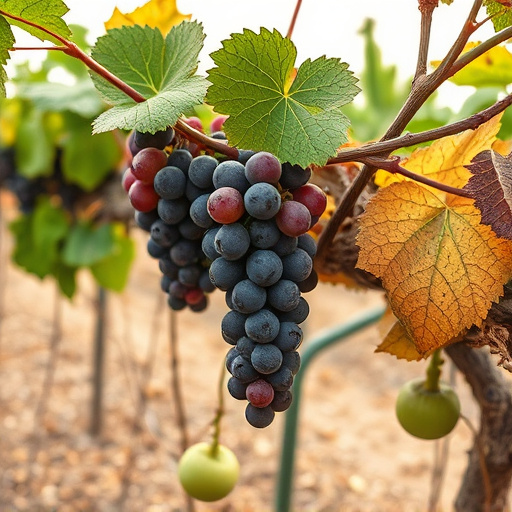
Desert climates, often dismissed as inhospitable for agriculture, have emerged as unexpected nurturing grounds for rare grape varietals. This phenomenon is particularly prominent in regions like southern Arizona, where a unique combination of factors—including distinct sunlight exposure, mineral-rich soils, and moderate temperatures—fosters the growth of grapes that might struggle elsewhere. Winemakers here have discovered a treasure trove of lesser-known varieties that thrive under these conditions, offering a distinct and diverse range of flavors not typically found in more traditional wine-growing areas.
One notable example is the Tempranillo grape, originally from Spain’s Rioja region, which has flourished at several southern Arizona wineries. This varietal produces wines characterized by rich, complex flavors of dark fruit, spice, and earth, with a firm structure that benefits from the region’s warm days and cool nights. Similarly, Italian varieties like Nebbiolo and Dolcetto have shown remarkable adaptability to desert conditions, yielding elegant, nuanced wines with distinctive aromas and palates. These successes underscore the potential for diverse grape varieties to reach their full expression in carefully managed desert vineyards.
The cultivation of rare varietals in these environments not only enriches the local wine scene but also presents a unique opportunity for winemakers to showcase the terroir of these regions. As more southern Arizona wineries embrace these uncommon grapes, they contribute to a global trend of sustainable and innovative viticulture. Winemaking enthusiasts can look forward to enjoying wines that reflect the distinct character of desert-grown grapes, offering a refreshing alternative to traditional options.
Southern Arizona Winery: Thriving Rare Vines in Arid Landscapes
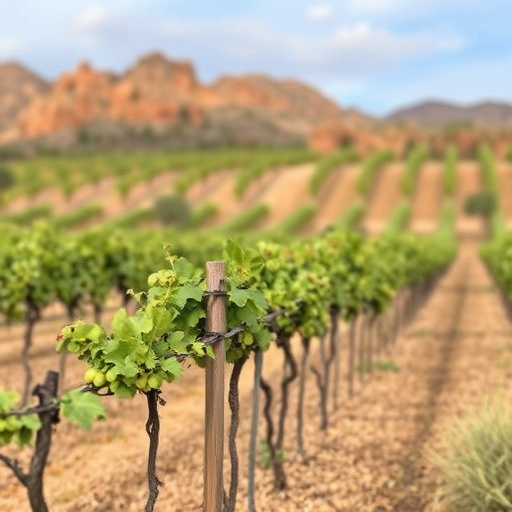
Southern Arizona Winery stands as a shining example of how certain grape varieties can flourish in desert climates that challenge conventional viticulture. The arid conditions, once thought to be inhospitable for winemaking, have instead become an arena where specific rare vines thrive, producing unique and distinct wines. This region’s success lies in understanding the delicate balance between water management, soil selection, and varietal choices suited to the environment.
The southern Arizona winery landscape boasts a diverse array of rare grape varieties that have found their home in these challenging conditions. For instance, the Tempranillo, a Spanish variety renowned for its rich flavors, has shown remarkable adaptability, yielding deep, complex reds. Similarly, Grenache, often associated with Mediterranean climates, has unexpectedly become a staple in Arizona’s vineyards, offering fruity and aromatic wines. These successes are not solely coincidental; they result from years of research and experimentation by winemakers who have embraced the desert’s unique characteristics as opportunities for innovation.
Practical insights into cultivating rare varietals in this region include meticulous irrigation practices tailored to each vine’s water needs and the strategic use of cover crops to enhance soil health. The southern Arizona winery model demonstrates that with careful management, deserts can become vibrant oases for viticulture, producing wines that reflect both their unique terroir and the ingenuity of their creators. This approach encourages winemakers worldwide to explore diverse landscapes as potential sources of exceptional grapes, thereby enriching global wine diversity.
Through exploring unique grape varietals thriving in desert climates, particularly at Southern Arizona Winery, we’ve uncovered a remarkable synergy between specific vines and arid landscapes. This article has illuminated how these harsh environments can paradoxically nurture rare, robust varietals, offering distinct flavors and aromas. Key insights include the adaptability of certain grapes to challenging conditions, the potential for diverse wine profiles in desert-grown grapes, and the importance of preserving these natural microclimates. By embracing these findings, winemakers and enthusiasts alike can appreciate and support the unique contributions of southern Arizona winery naturally occurring varietals, enriching both the industry and our palates with rare, remarkable wines.