
Southern Arizona wineries thrive due to diverse microclimates and terroirs, enabling a wide range of grape varieties and wine styles. From hot, dry conditions on the Sonoran Desert floor to cooler temperatures in the Santa Catalina Mountains, each region influences grape growth and flavor uniquely, attracting wine enthusiasts with its captivating tapestry of flavors.
Discover the enchanting world of microclimates in southern Arizona’s wine regions and their profound impact on varietal choices and wine characteristics. From the unique terroirs of Tucson to the cooler slopes of Willcox, this article explores how local climates shape grape growth and flavor profiles. We delve into case studies of top southern Arizona wineries, offering tasting notes that highlight the subtle nuances created by these microclimates. Uncover why each region stands out and how they collectively contribute to the diverse and captivating wine scene in southern Arizona.
- Understanding Microclimates: The Key to Southern Arizona Winery Varieties
- Exploring Terroir: Unique Characteristics of Southern AZ Wine Regions
- Grape Growth: How Climate Shapes Wine Flavors and Aromas
- Case Studies: Comparative Analysis of Top Southern Arizona Wineries
- Tasting Notes: Unveiling the Nuances of Microclimate-Influenced Wines
Understanding Microclimates: The Key to Southern Arizona Winery Varieties

Understanding microclimates is essential for cultivating unique and distinct varieties at southern Arizona wineries. Each region within the state experiences subtle temperature, humidity, and sunlight variations, creating diverse terroirs that influence grape growth and flavor profiles significantly. For instance, areas like the Sonoran Desert floor offer hot, dry conditions ideal for robust red grapes like Syrah and Tempranillo, while higher-altitude regions like the Santa Catalina Mountains provide cooler temperatures conducive to crisp white varietals such as Sauvignon Blanc and Riesling.
These microclimates allow winemakers in southern Arizona to experiment with a surprising array of grape varieties, contributing to the region’s burgeoning wine industry. By understanding and leveraging local terroirs, these artisans can produce wines that showcase both regional character and individual craftsmanship, making southern Arizona wineries a must-visit destination for wine enthusiasts exploring beyond traditional wine-producing regions.
Exploring Terroir: Unique Characteristics of Southern AZ Wine Regions
Exploring Terroir: Unique Characteristics of Southern AZ Wine Regions
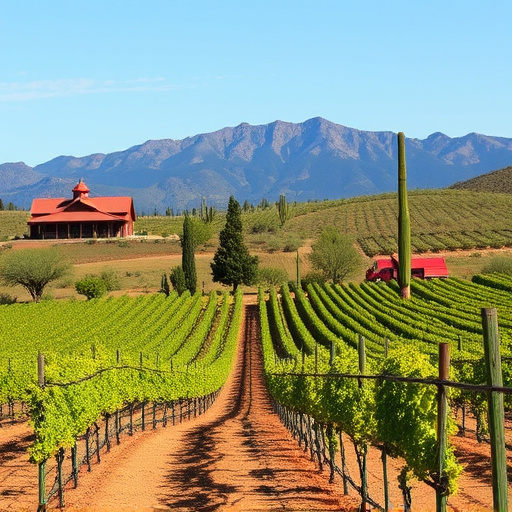
Southern Arizona’s wine regions are defined by their distinct microclimates, which contribute to the unique characteristics of each terroir. From the high-altitude vineyards near Flagstaff to the lower elevation valleys around Tucson, temperatures, sunlight exposure, and rainfall patterns vary significantly. These factors influence grape maturity, acidity levels, and flavor profiles, creating a diverse range of wines that reflect the region’s microclimatic diversity.
Each southern Arizona winery harnesses these terroir-driven elements, resulting in distinct wine styles. For instance, cooler climates favor varietals like Riesling and Pinot Gris, while warmer regions excel at producing robust reds such as Syrah and Tempranillo. The interplay between sun and shade, as well as varying soil types, adds further complexity to the wines, making each bottle a true reflection of its origin.
Grape Growth: How Climate Shapes Wine Flavors and Aromas

In the context of southern Arizona wineries, understanding microclimate-driven variations is key to appreciating the unique flavors and aromas that define their wines. Grape growth in this region is profoundly influenced by climate conditions specific to each terroir. Temperature, sunlight exposure, and rainfall patterns create distinct microclimates that impact grape development, from bud break to harvest. Warmer days encourage faster ripening, concentrating sugars and potentially leading to richer, fuller-bodied wines. In contrast, cooler evenings slow down ripening, allowing for a more gradual buildup of complex flavors and acidity, resulting in elegant, crisp vintages.
The interplay between climate and soil further enhances these nuances. Soils in southern Arizona vary widely, from volcanic to sandy loam, each with its own water retention capabilities and mineral composition. These factors contribute to the overall character of the grapes, imparting distinct mineral notes, fruit profiles, and structural elements that translate into unique wine experiences. For instance, a winery nestled in a sun-drenched valley might produce wines with intense fruit flavors and a smoother texture, while those from higher elevations could offer crisp acidity and more herbal or earthy aromas.
Case Studies: Comparative Analysis of Top Southern Arizona Wineries
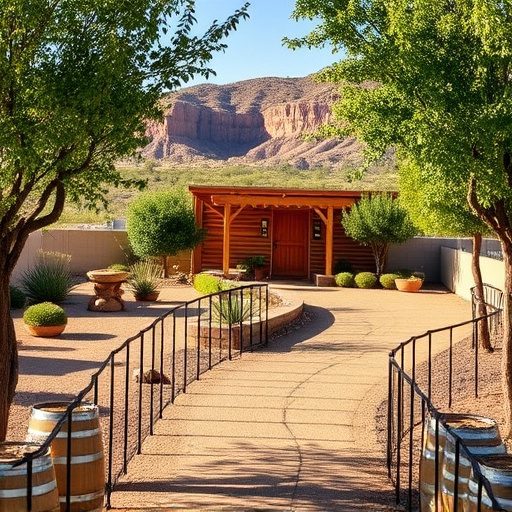
In the vibrant landscape of southern Arizona, several wineries stand out for their microclimate-driven wines, each nestled in unique terroirs that contribute to their distinctive characteristics. A comparative analysis of top Southern Arizona wineries reveals how subtle variations in climate, soil, and elevation impact the final product. For instance, consider the lush valleys near Tucson, where moderate temperatures and well-draining soils create ideal conditions for a range of grape varieties, resulting in wines known for their balance and complexity.
In contrast, the more elevated regions like Santa Cruz and Sierra Vista experience cooler nights and warmer days, influencing slower ripening times and enhancing natural acidity. These microclimates contribute to a diverse array of wines, from crisp whites to robust reds, showcasing the potential for Southern Arizona wineries to produce world-class vintages distinctively shaped by their local terroirs.
Tasting Notes: Unveiling the Nuances of Microclimate-Influenced Wines
Tasting Notes: Unveiling the Nuances of Microclimate-Influenced Wines
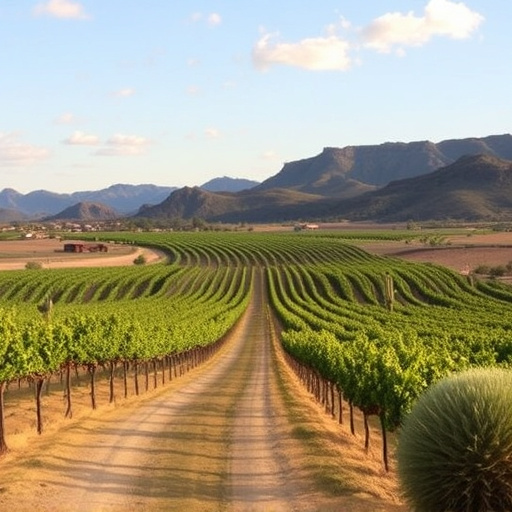
When sampling microclimate-driven wines from across southern Arizona’s diverse terroirs, one becomes captivated by the subtle yet distinct characteristics each region imparts. These wines showcase a remarkable range of flavors and aromas, reflecting the unique interplay between soil types, elevation, and sun exposure. Tasters often notice variations in fruit expression, with some wines boasting vibrant berries, while others display more elusive notes of herbs, spices, and floral nuances. The acidity levels can vary widely, offering either crisp, refreshing sensations or a smoother, more rounded mouthfeel.
The sensory experience extends beyond the palate, as these wines often present intriguing visual qualities. From deep, intense hues to lighter, more ethereal shades, each varietal tells a story of its specific microclimate origin. Southern Arizona winemakers excel at capturing and translating these nuanced expressions into bottles, providing wine enthusiasts with an opportunity to explore and appreciate the distinct terroirs that shape these exceptional beverages. Discovering these hidden gems from local southern Arizona wineries is akin to embarking on a sensory journey through the region’s diverse landscapes.
Southern Arizona wineries harness the unique microclimates and terroirs of their regions, resulting in distinct and diverse wines. By understanding the impact of local conditions on grape growth and flavor profiles, these producers create truly exceptional beverages that reflect the character of their specific wine territories. Exploring these southern Arizona winery offerings allows enthusiasts to uncover a rich tapestry of tastes, each a testament to the intricate relationship between climate, soil, and vine.