
Southern Arizona's diverse terroirs, shaped by varied landscapes and microclimates, offer winemakers a unique canvas for crafting distinctive wines. From high-altitude vineyards with elegant, structured varieties to warmer valleys with fuller-bodied grapes, each corner of the region presents distinct flavor profiles. Soils, elevation, and sun exposure contribute to a wide range of wine styles, from vibrant fruit-forward to nuanced crisp varieties. This microclimate diversity, combined with advanced technology, makes Southern Arizona wineries a must-visit destination for wine enthusiasts seeking unique experiences and top-quality bottles.
“Uncover the enchanting world of microclimate-driven wines from southern Arizona’s diverse terroirs. This article delves into the unique impact of local microclimates on viticulture, exploring distinct wine characteristics and the magic they bring to the region’s wineries. From grape species’ behavior to tasting notes and environmental aging factors, we navigate the intricate tapestry of southern Arizona’s terroir. Discover how technology plays a game-changer role in preserving these nuanced wines for global appreciation.”
- Understanding Microclimates and Their Impact on Wine Production in Southern Arizona
- Exploring the Unique Terroirs of Southern Arizona's Wineries
- The Varied Grape Species and Their Behavior in Different Microclimates
- Tasting Notes: Differences in Flavor Profiles of Microclimate-Driven Wines
- Environmental Factors Influencing Aging and Bottle Ageability
- The Role of Technology in Capturing and Preserving Southern Arizona's Terroir
Understanding Microclimates and Their Impact on Wine Production in Southern Arizona
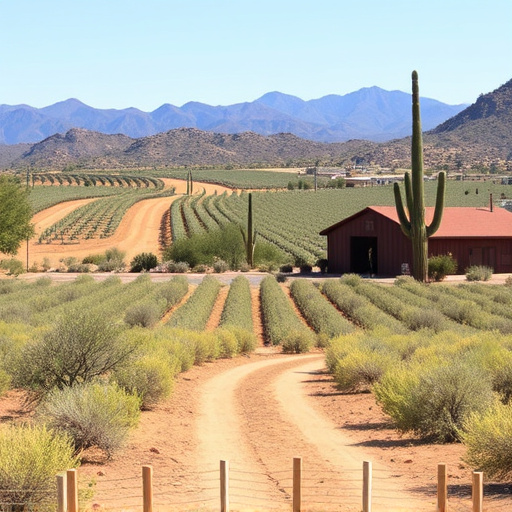
In the intricate world of viticulture, microclimates play a pivotal role in shaping the unique characteristics of wines produced in specific regions. Southern Arizona, with its diverse landscapes and varying weather patterns, presents a fascinating canvas for microclimate-driven wine production. Each vineyard in this region benefits from distinct microclimatic conditions, resulting in an array of terroirs that contribute to the complexity and diversity of local wines.
Understanding these microclimates is key to appreciating the southern Arizona winery scene. The region’s geography, characterized by mountains, deserts, and various elevation changes, creates pockets of temperature and humidity variation. These factors influence grape growth, ripening, and flavor development, leading to a wide range of wine styles. For instance, wines from lower elevations often showcase vibrant fruit flavors, while those from higher areas may exhibit more nuanced aromas and a crisp acidity, making each microclimate a unique contributor to the region’s thriving wine culture.
Exploring the Unique Terroirs of Southern Arizona's Wineries

Southern Arizona’s wine country is renowned for its diverse terroirs, each with distinct microclimates and unique characteristics that contribute to the flavor profiles of the wines produced. From the high-altitude vineyards nestled in the Santa Catalina Mountains to the warmer, drier valleys below, every corner of this region offers a distinct sensory experience.
Exploring these southern Arizona wineries means discovering a kaleidoscope of flavors, textures, and aromas. The varying elevations, soil types, and sun exposure create conditions that foster the growth of different grape varieties, resulting in a wide array of wines. Whether you’re drawn to the crisp, vibrant notes of mountain-grown varietals or the rich, full-bodied reds from the valley floors, each winery tells a story of its specific terroir, making your journey through southern Arizona’s wine country an unforgettable one.
The Varied Grape Species and Their Behavior in Different Microclimates

Southern Arizona’s diverse microclimates present a fascinating playground for winemakers, offering a unique opportunity to explore the intricate relationship between terroir and grape behavior. The state boasts an array of grape species, each with distinct characteristics that flourish in specific environmental conditions. For instance, in the cooler high-altitude regions, varieties like Tempranillo and Grenache thrive, producing wines known for their rich, complex flavors. These areas benefit from a longer growing season, allowing grapes to mature slowly, resulting in elegant, structured wines.
In contrast, the warmer, lower-altitude zones are more suited to robust grape varieties such as Syrah and Zinfandel. Here, the microclimate facilitates faster ripening, leading to fuller-bodied wines with higher alcohol content. The varying sun exposure, temperature differentials, and wind patterns across southern Arizona’s terroirs create distinct profiles in the grapes, ultimately shaping the unique characteristics of the resulting wines. This diversity showcases the region’s potential to produce a wide range of wine styles appealing to diverse palates within the thriving southern Arizona winery scene.
Tasting Notes: Differences in Flavor Profiles of Microclimate-Driven Wines
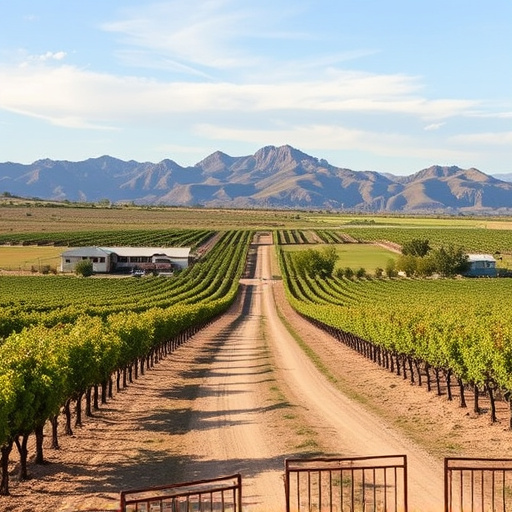
When comparing microclimate-driven wines from across southern Arizona, one of the most striking aspects becomes apparent—the distinct flavor profiles that each terroir offers. These wines, crafted in unique microclimates, showcase a remarkable range of taste notes that reflect their specific origins. For instance, wines from the cooler highland regions often present brighter acidity and flavors of citrus and green apple, while those from the warmer, sun-kissed basins may display richer profiles with hints of tropical fruits, such as mango and pineapple.
The soil composition and elevation also play a significant role in shaping these wine characteristics. Soils rich in minerals can impart earthy and stone notes, adding complexity to the palate. As southern Arizona winemakers continue to explore their diverse terroirs, enthusiasts can look forward to an ever-evolving array of microclimate-driven wines, each offering a unique journey through the flavors of this captivating region, including many renowned southern Arizona wineries.
Environmental Factors Influencing Aging and Bottle Ageability

The unique microclimates across Southern Arizona’s terroirs play a pivotal role in shaping the aging potential and overall bottle ageability of wines produced in this region. Environmental factors such as temperature, humidity, and sunlight exposure vary significantly from one vineyard to another, directly impacting the wine’s evolution and longevity. For instance, cooler microclimates tend to slow down fermentation, allowing for more complex flavor development and potentially extending the wine’s lifespan. On the other hand, warmer areas can accelerate aging, resulting in faster maturation but possibly requiring earlier consumption to preserve quality.
These variations create an intriguing diversity among southern Arizona wineries, where each vineyard’s specific terroir contributes unique characteristics to the finished product. Understanding these environmental influences is crucial for winemakers aiming to craft wines that age gracefully and maintain their distinct flavors over time. By embracing the region’s microclimatic differences, Southern Arizona wineries can produce a range of wines with diverse aging capabilities, catering to various consumer preferences.
The Role of Technology in Capturing and Preserving Southern Arizona's Terroir
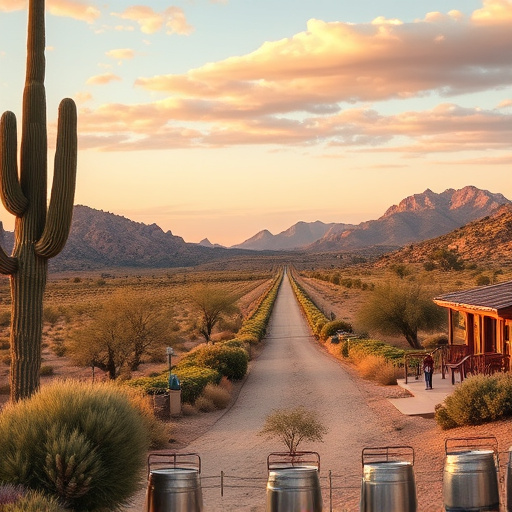
In the realm of wine production, technology plays a pivotal role in capturing and preserving the unique characteristics of Southern Arizona’s terroir. Modern sensors and data analytics allow winemakers to meticulously monitor various environmental factors such as temperature, humidity, and sunlight exposure, all of which significantly influence the flavor profile of the grapes. This precise control ensures that each vintage reflects the specific microclimate from which it originates.
For instance, southern Arizona wineries employ advanced irrigation systems that adapt to local conditions, optimizing water usage and minimizing waste. Additionally, remote sensing technologies provide detailed maps of soil composition and terrain, enabling winemakers to make informed decisions about grape variety planting and vineyard management. By harnessing these tools, Southern Arizona continues to establish itself as a destination for microclimate-driven wines, appealing to both locals and visitors alike.
Southern Arizona’s diverse microclimates offer winemakers a unique canvas to craft exceptional wines, each with its own distinct character. By understanding the interplay between these microclimates and grape varieties, wineries in this region are able to produce terroir-driven wines that showcase the beauty of their terroir. From the vibrant flavors of desert-influenced vintages to the nuanced notes from mountainous regions, these wines tell a story etched into the very soil they hail from. Embracing technology while respecting tradition, southern Arizona wineries continue to refine their craft, ensuring that future generations can enjoy and appreciate the distinctiveness of each terroir.