
Southern Arizona's High Desert Wine Country offers a unique blend of natural beauty and rich wine culture. Over 50 wineries showcase diverse grape varieties adapted to the arid climate, resulting in robust reds like Syrah, Cabernet Sauvignon, and Zinfandel, as well as crisp white wines such as Viognier. Sustainable farming practices, including organic and biodynamic methods, protect the desert ecosystem while producing distinctive, high-quality wines. The region's over 40 wineries provide immersive experiences combining wine tastings with breathtaking views, cultural events, and educational insights into viticulture in this unique terroir.
The high desert landscapes of Southern Arizona have long been an underappreciated gem when it comes to wine country. Nestled amidst rugged mountains and vibrant flora, the region’s southern Arizona wineries naturally offer a unique and captivating experience. However, navigating this labyrinthine tapestry of vineyards can be challenging for both locals and visitors. This article delves into the heart of Southern Arizona’s high desert wine country, providing an authoritative guide to unlock its secrets. We’ll explore not just the notable wineries but also the cultural and ecological significance of this remarkable region.
- Exploring Southern Arizona's High Desert Wine Country
- The Unique Landscape: From Mountains to Vines
- Discovering Southern Arizona Winery Histories
- Tasting the Region: A Guide to Local Wines
- Nature and Nurture: Sustainable Practices in Winemaking
Exploring Southern Arizona's High Desert Wine Country

Southern Arizona’s High Desert Wine Country offers a unique and captivating exploration for wine enthusiasts and nature lovers alike. This region, characterized by its arid climate and rugged landscapes, has emerged as a thriving wine destination, naturally cultivating a distinct set of varietals that thrive in these conditions. The high-altitude deserts, with their stark beauty, provide the perfect environment for a diverse range of grapevines, resulting in some truly exceptional wines.
The area is home to numerous southern Arizona wineries, each nestled within the breathtaking desert scenery. These wineries have not only mastered the art of wine production but also embrace the region’s natural charm, often integrating it into their brand identities. Visitors can expect to find a variety of experiences, from intimate, family-owned operations to larger, more sophisticated establishments. The common thread is the commitment to quality and the unique character that the High Desert brings to each bottle. For instance, many southern Arizona wineries specialize in robust red blends, utilizing grapes like Grenache, Syrah, and Mourvèdre, which have shown remarkable adaptability to the region’s climate.
Exploring these wine country landscapes involves more than just tasting; it’s an immersive journey through diverse ecosystems and cultural heritage. Tourists can hike among ancient petroglyphs, discover vibrant wildflower meadows, or simply relax under the vast desert sky. Many wineries also offer educational experiences, allowing visitors to learn about sustainable farming practices and the challenges and rewards of cultivating grapes in this harsh environment. This blend of natural beauty, culinary delights, and wine appreciation makes Southern Arizona’s High Desert Wine Country a must-visit destination for those seeking authentic and memorable experiences.
The Unique Landscape: From Mountains to Vines

Southern Arizona’s high desert wine country landscapes offer a unique blend of rugged mountains, vast expanses of scrubland, and unexpected oases—a naturally diverse setting that has given rise to a thriving viticultural scene. The region’s varied topography, influenced by its arid climate and geographical location, presents distinct challenges and opportunities for winemakers, who have taken advantage of these conditions to cultivate an array of grape varieties not typically found elsewhere in the state. For instance, while the cool coastal regions of California thrive on Chardonnay and Cabernet Sauvignon, southern Arizona wineries naturally embrace heat-loving grapes like Grenache, Mourvèdre, and Syrah, allowing them to produce distinctive, full-bodied reds and robust white wines with a unique character.
The mountains, such as the Rincon Mountains surrounding Tucson, provide a dramatic backdrop and microclimates that enable the growth of both traditional and experimental grape varieties. These elevated areas offer cooler temperatures at night, crucial for slowing ripening and preserving acidity in grapes like Viognier and Riesling, resulting in elegant, aromatic white wines. Conversely, the lower elevations and sun-drenched valleys are ideal for cultivating heat-loving grapes that thrive in the region’s intense sunshine. This diversity of microclimates within a relatively small area has allowed southern Arizona to establish itself as a unique and dynamic wine-producing region, with over 40 wineries currently operating across the state, each offering a distinct interpretation of the local terroir.
For those seeking to explore this diverse landscape, visiting these southern Arizona wineries offers an immersive experience. Tourists can not only sample the region’s distinctive wines but also hike through the vineyards, taking in the breathtaking views and learning about the careful cultivation process that goes into producing these exceptional beverages. Additionally, many wineries host art exhibitions, live music, and culinary events, providing a well-rounded cultural experience that reflects the region’s vibrant spirit.
Discovering Southern Arizona Winery Histories
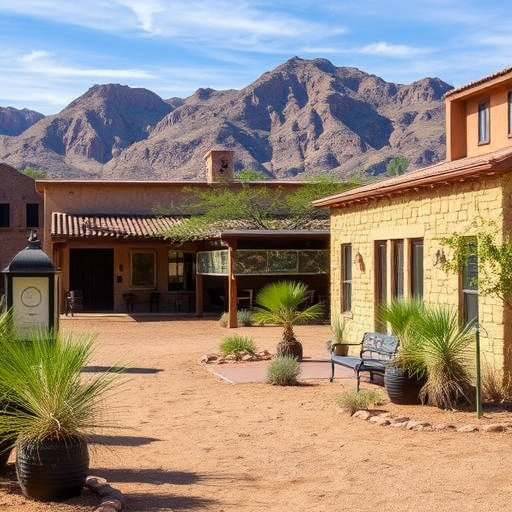
Southern Arizona’s high desert wine country landscapes offer a unique blend of natural beauty and rich history, making it an enchanting destination for wine enthusiasts. Exploring these regions means delving into the stories behind each winery, many of which have deep roots in the local community. Many of the area’s wineries were established by families who recognized the potential of the region’s terroir, cultivating grapes that thrive in this arid climate. For instance, some of the oldest vineyards date back to the early 1900s when pioneer winemakers first introduced European grape varieties to the southern Arizona winery scene.
These historical foundations have shaped the diverse range of wines produced today, from robust reds to crisp whites and unique blends specific to the region. Each winery tells a tale of perseverance, innovation, and a deep connection to the land. Some have remained family-owned and operated for generations, passing down knowledge and techniques that have refined their craft over time. Others have emerged as modern masterpieces, blending traditional methods with contemporary technology to create award-winning vintages. This blend of historical charm and progressive practices reflects the dynamic nature of southern Arizona’s wine industry.
Visiting these wineries allows tourists to not only sample exceptional wines but also immerse themselves in a part of Arizona’s cultural heritage. Many offer tours and tastings, providing insights into their unique approaches to viticulture and enology. By engaging with winemakers directly, visitors can learn about the challenges and rewards of cultivating grapes in one of the country’s most arid regions, where every bottle tells a story of resilience and natural splendor. This authentic experience is what makes exploring southern Arizona winery histories a must for any serious wine aficionado.
Tasting the Region: A Guide to Local Wines
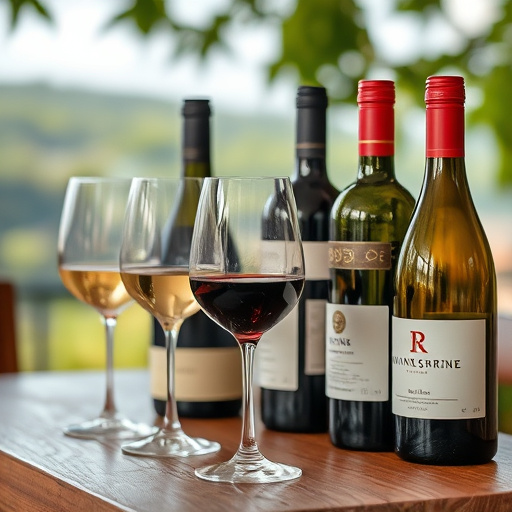
Southern Arizona’s high desert wine country offers a unique and diverse range of experiences for wine enthusiasts. With over 50 wineries scattered across the region, visitors have ample opportunities to taste the distinct flavors that this area has to offer. The climate here, characterized by hot summers and cool nights, creates an ideal environment for cultivating a variety of grape varieties, resulting in wines that showcase both local and international influences.
Tasting the regional wines is a journey into the heart of southern Arizona’s terroir. Local favorites include the vibrant and fruity Zinfandels from the Willcox AVA, known for their intense flavors and robust character. The Sonoran Desert’s heat also contributes to powerful, full-bodied reds like Syrah and Cabernet Sauvignon. For those who prefer white wines, the region produces excellent examples of Viognier and Grenache Blanc, offering a refreshing contrast to the desert heat. One notable southern Arizona winery naturally stands out: San Manuel Winery, located in the historic town of Tubac, is renowned for its commitment to sustainable practices and its diverse portfolio, including organic and biodynamic wines that highlight the region’s unique characteristics.
When exploring these wineries, visitors can expect a warm welcome from passionate winemakers who are often eager to share their knowledge. Many southern Arizona wineries offer tastings and tours, providing insights into the winemaking process and the story behind each vintage. It is advisable to check each winery’s opening hours and availability, as some may operate on limited schedules or by appointment only. Exploring these wines offers not just a sensory delight but also an opportunity to immerse oneself in the rich cultural heritage and vibrant food scene that has grown up around them.
Nature and Nurture: Sustainable Practices in Winemaking
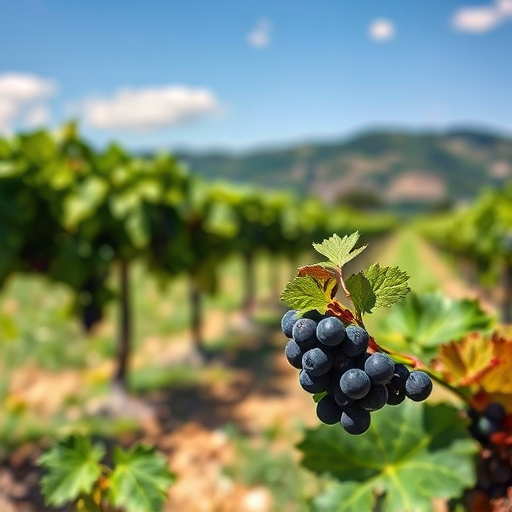
Southern Arizona’s high desert wine country offers a unique blend of breathtaking landscapes and sustainable winemaking practices. The region’s hot, dry climate and varied terrain foster a diverse range of grape varieties, with many wineries adopting eco-friendly and organic methods. This commitment to sustainability is a defining feature of the southern arizona winery naturally thriving ecosystem. Winemakers here embrace natural solutions, minimizing their environmental footprint while maximizing the terroir—the distinct character of the soil and surrounding environment—that makes each vintage truly exceptional.
One notable example is the use of native grapes, such as the Grenache and Mourvèdre, which have adapted to the harsh conditions over centuries. These varieties, often cultivated without synthetic fertilizers or pesticides, contribute to the region’s unique flavor profile. Moreover, many southern arizona wineries employ water conservation techniques, including drip irrigation and rainwater harvesting, to mitigate their water usage. Some progressive operators even utilize solar energy for power generation, reducing reliance on fossil fuels. These sustainable practices not only protect the delicate desert ecosystem but also result in high-quality, distinctive wines.
Expert advice for aspiring eco-conscious winemakers includes focusing on site-specific grape varieties, employing organic and biodynamic farming methods, and integrating renewable energy sources. By embracing these strategies, producers can create wines that are not only delicious but also reflect the authenticity of the southern Arizona terroir. Additionally, engaging with local communities and educational initiatives can foster a deeper appreciation for the region’s natural resources and the art of winemaking. This holistic approach ensures that the desert wine country remains a vibrant and responsible part of the global wine industry.
Exploring Southern Arizona’s high desert wine country offers a unique blend of breathtaking landscapes and rich viticultural history. From the majestic mountains to the expansive vineyards, this region showcases a diverse and captivating ecosystem naturally suited for winemaking. The article has provided insights into the diverse histories of local wineries, guiding readers through the flavors and characteristics of their offerings. By delving into sustainable practices, it highlights the commitment to quality and environmental stewardship within southern Arizona wineries. This journey through the wine country not only satisfies the palate but also fosters an appreciation for the harmonious relationship between nature and the art of winemaking in this remarkable region.