
Southern Arizona's high desert wine country offers a unique experience with renowned wineries seamlessly integrated into stunning desert scenery. The arid climate fosters grape varieties like Grenache, Syrah, and Viognier, resulting in distinctive wines reflective of the local terroir. The region boasts diverse styles and sustainable practices, from family-owned to eco-conscious vineyards. Visitors can enjoy educational tours, tastings, accommodations, and engagement with winemakers, immersing themselves in a cultural journey that combines wine appreciation with natural beauty. Historic wineries like Wilcox (1934) and Valentine (1978) showcase tradition and innovation, with many embracing sustainability and eco-friendly techniques to protect the environment while producing high-quality grapes.
Southern Arizona’s high desert wine country offers a captivating landscape that has long been an enigma to many. This region, with its unique terroir and diverse microclimates, naturally fosters the growth of exceptional grapes, giving rise to thriving wineries. However, despite its potential, Southern Arizona winery landscapes remain largely unexplored territories for many wine enthusiasts. Our mission is to unravel this hidden gem, providing a comprehensive guide that showcases the beauty and bounty of this wine country. Prepare to embark on a journey that will not only satisfy your curiosity but also deepen your appreciation for the art of winemaking in this remarkable region.
- Exploring Southern Arizona's Hidden Wine Gems
- The Unique Landscape: High Desert Wine Country
- Historic Vineyards: A Journey Through Time
- Sustainable Practices in Southern Arizona Wineries
- Tasting the Terroir: Unique Wines from Nature's Embrace
Exploring Southern Arizona's Hidden Wine Gems
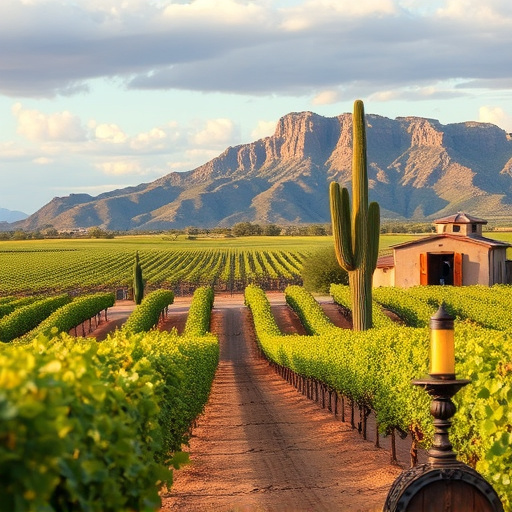
Southern Arizona’s high desert wine country offers a hidden gem of an experience for those seeking unique, exceptional wines. This region, characterized by its arid climate and striking landscapes, has emerged as a thriving wine producer, home to several renowned southern arizona wineries naturally integrated into the breathtaking desert scenery. Unlike more prominent wine regions, this area provides a chance to explore lesser-known yet highly acclaimed vineyards and tasting rooms, each with its distinct character and wine styles.
The high desert environment presents unique challenges and opportunities for viticulture. The dry, sunny conditions are ideal for cultivating grape varieties like Grenache, Syrah, and Viognier, which thrive in these conditions. Many southern arizona wineries naturally adapt their practices to the local terroir, resulting in wines with distinct, vibrant flavors that reflect the region’s essence. From small-batch, family-owned operations to larger, eco-conscious vineyards, the diversity is as striking as the desert landscapes.
Exploring these hidden wine gems involves more than just tasting; it’s a sensory journey through the heart of Southern Arizona. Visitors can expect breathtaking views, from rugged mountains to vast expanses of desert flora. Many wineries offer educational tours and tastings that highlight the art and science behind desert wine production. Engaging with the winemakers provides insights into the region’s unique characteristics and the stories behind each bottle. For those seeking a truly immersive experience, staying at local bed-and-breakfasts or eco-lodges allows for deeper connection with the area’s natural beauty and cultural heritage.
The Unique Landscape: High Desert Wine Country

The High Desert wine region of Southern Arizona presents a unique and captivating landscape for wine enthusiasts and nature lovers alike. This distinct terroir, characterized by its arid climate and elevated elevations, has given birth to a thriving wine culture that offers a refreshing alternative to traditional winemaking regions. The vast expanse of southern Arizona wineries naturally embraces the challenges posed by the high desert environment, resulting in an array of distinctive grape varieties and innovative viticultural practices.
The landscape here is a symphony of rugged mountains, rolling hills, and open skies, creating a visually stunning backdrop for the vineyards. These conditions contribute to the unique flavor profiles found in the region’s wines, with prominent notes of mineral, herbal, and citrus aromas. The hot days and cool nights create a diurnal temperature variation that slows down grape ripening, allowing for complex flavors to develop. Soils, ranging from sandy to rocky, add further complexity as they vary in nutrient content, influencing the character of the grapes grown. This natural diversity ensures that each southern Arizona winery offers something distinctive, attracting wine connoisseurs seeking rare and remarkable vintages.
Exploring this high desert wine country means immersing oneself in a culture that celebrates both the land and the art of winemaking. Many local wineries actively engage in sustainable practices, harnessing natural resources efficiently. Visitors can expect to find an array of accommodations and experiences tailored to suit different preferences, from luxurious resorts nestled amidst vineyards to rustic bed-and-breakfasts offering breathtaking views. Tourists are encouraged to interact with winemakers who are passionate about their craft and eager to share the stories behind each vintage. Exploring this region is not just a sensory delight but also an educational journey into the heart of southern Arizona’s thriving wine culture.
Historic Vineyards: A Journey Through Time

Southern Arizona’s high desert wine country is a land of historical vineyards where the past meets the present in harmonious sips. The region boasts some of the oldest wineries in the state, many of which have been family-owned for generations, dating back to the early 20th century. These historic sites offer visitors not just a taste of renowned local wines but also a journey through time, showcasing the evolution of viticulture in this unique desert ecosystem.
Among these, the Wilcox Winery stands out as a pioneer, established in 1934, it’s one of the oldest continuously operating wineries in southern Arizona. The winery’s longevity attests to its ability to adapt and thrive in the challenging high-desert climate, utilizing techniques that have been refined over decades. Similarly, the Valentine Wine Cellars, founded in 1978, has left its mark on the region with innovative sustainable practices and a commitment to preserving the area’s distinct terroir. These southern Arizona wineries naturally showcase the depth of history intertwined with the modern wine-making spirit.
Exploring these historic vineyards offers more than just a chance to sample award-winning wines; it provides insights into the challenges and rewards of cultivating grapes in an arid climate, as well as a glimpse into the cultural heritage that has shaped the industry. Many of these wineries host regular events, tastings, and tours, allowing visitors to engage with the stories behind the vines and the passion that fuels this time-honored tradition.
Sustainable Practices in Southern Arizona Wineries
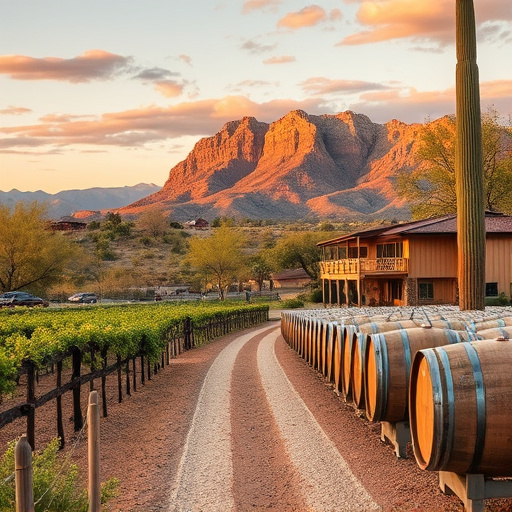
Southern Arizona’s high desert wine country landscapes are a testament to the region’s unique beauty and the thriving ecosystem of its wineries. This arid terrain, characterized by rolling hills and diverse plant life, has become a haven for sustainable viticulture practices. Wineries in Southern Arizona have embraced eco-friendly approaches that not only minimize their environmental impact but also enhance the natural splendor of the surrounding area. One notable example is the use of native grasses and plants for erosion control, which not only reduces water consumption but also provides habitat for local wildlife.
Many southern arizona wineries have implemented innovative water conservation strategies, recognizing the region’s arid climate. These include drip irrigation systems that deliver water directly to the roots, minimizing waste, and rainwater harvesting for various winery operations. Additionally, some wineries have adopted solar energy to power their facilities, reducing carbon footprints and contributing to the local renewable energy economy. These sustainable practices not only ensure the long-term viability of the vineyards but also create a harmonious relationship between wine production and the natural desert environment.
Expert winemakers in Southern Arizona emphasize the importance of soil health as a cornerstone of sustainability. They employ techniques like organic farming methods, avoiding synthetic chemicals, and promoting biodiversity to maintain fertile soils. This approach not only benefits the ecosystem but also translates into higher-quality grapes, which are the heart of every southern arizona winery. By embracing these sustainable practices, the region’s wineries are setting an example for the industry worldwide, demonstrating that thriving vineyards and environmental stewardship can go hand in hand.
Actionable advice for visitors interested in supporting sustainable practices includes choosing wineries that openly share their eco-initiatives and purchasing from producers committed to reducing their carbon footprint. By doing so, wine enthusiasts can directly contribute to the preservation of this unique ecosystem while enjoying the exceptional wines Southern Arizona has to offer.
Tasting the Terroir: Unique Wines from Nature's Embrace

Southern Arizona’s high desert wine country offers a unique opportunity to taste the terroir, where the region’s distinct climate, elevation, and soil create an extraordinary blend of wines not found anywhere else. This area, nestled in the Sonoran Desert, boasts over 60 wineries, each capturing the essence of their naturally diverse environment. The region’s warm days and cool nights, combined with varying elevations, encourage a wide range of grape varieties to thrive, resulting in complex and nuanced wines.
The unique terroir translates into remarkable varietals such as Grenache, Mourvèdre, and Syrah, which have become hallmarks of southern Arizona wineries. These grapes flourish in the intense desert sun, developing rich flavors that reflect the region’s natural character. For instance, many renowned producers in the area showcase single-varietal wines, allowing visitors to truly appreciate the distinct characteristics of each grape. Tasting rooms often provide detailed insights into the winemaking process, highlighting how local practices and traditions shape the final product.
When exploring this wine country, it’s essential to consider booking a tour or joining a tasting event at various southern Arizona wineries. Many establishments offer guided tours that educate visitors about the grapes’ origins and the specific challenges of growing them in such an arid climate. These experiences provide a deeper understanding of terroir and its impact on wine quality. Moreover, engaging with winemakers directly can offer valuable insights into their art, ensuring a memorable and informative visit to this remarkable wine destination.
Southern Arizona’s high desert wine country offers a unique blend of history, sustainable practices, and terroir that distinguishes its wineries from others. Exploring these hidden gems reveals a rich landscape where nature’s embrace translates directly into distinctive wines. The article has guided readers through this captivating region, showcasing the historic vineyards that have stood the test of time and highlighting the innovative, sustainable approaches adopted by local winemakers. By delving into these topics, we’ve uncovered key insights that not only enrich the experience of visitors but also position Southern Arizona wineries as natural leaders in both quality and environmental stewardship. To continue your journey, consider visiting these southern arizona winery naturally destinations and immersing yourself in the vibrant wine culture this region offers.