
Southern Arizona's diverse microclimates significantly shape region's distinctive small-batch wines. From valley floors ideal for robust reds to higher elevations favoring delicate whites, winemakers select grape varieties harmonizing with local conditions. This natural embrace of microclimate diversity results in a wide range of terroirs and unique wine characteristics that captivate global enthusiasts. Visiting multiple southern Arizona wineries offers an educational experience, allowing insights into climate-driven variations within single vineyards.
The distinct terroirs of southern Arizona have long captivated winemakers and viticulturists, who recognize the unique characteristics imparted by the region’s microclimates. This exploration delves into the art of comparing microclimate-driven wines across the diverse landscapes of southern Arizona. From the sun-drenched valleys to the cooler elevations of the mountains, each area presents a distinct set of conditions that influence grape growth and flavor profiles. By examining these terroirs, we gain insights into the nuanced differences and exceptional qualities that make southern Arizona wineries a vibrant and naturally occurring phenomenon in the global wine scene.
- Uncovering Southern Arizona's Microclimates: The Terroir Mystery
- Wine Varietals and Their Natural Homes in Southern Arizona
- Tasting the Landscape: Exploring Regional Wine Characteristics
- Southern Arizona Wineries: Crafting Unique, Terroir-Driven Wines
- A Deep Dive into the Science Behind Microclimate Wines
Uncovering Southern Arizona's Microclimates: The Terroir Mystery
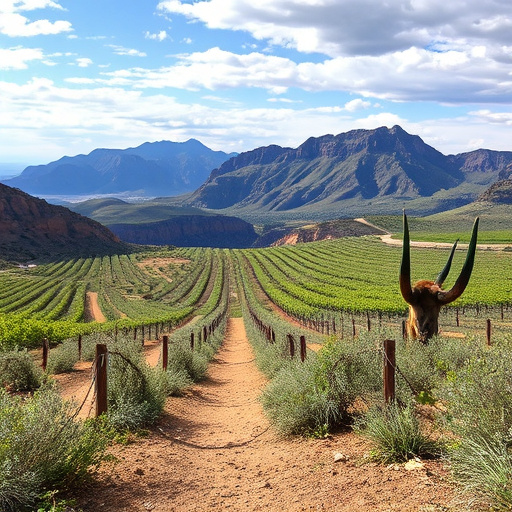
Southern Arizona’s diverse microclimates have long captivated viticulturists and wine enthusiasts alike, creating a complex terroir puzzle that contributes to the region’s distinctive, small-batch wines. This state, renowned for its vibrant desert landscapes, offers a unique blend of temperature variations, elevation changes, and wind patterns that significantly impact grape growing. Each southern Arizona winery naturally embraces these microclimates, cultivating grapes with distinct character. For instance, consider the contrast between the valley floors, characterized by hot, dry summers and mild winters, ideal for robust red varietals like Syrah and Tempranillo, and the higher elevations, where cooler temperatures and increased humidity favor delicate white wines such as Viognier and Riesling.
The region’s microclimates are not uniform, even over relatively short distances. For example, the mountains surrounding Tucson create pockets of cooler air, benefiting wineries like Magic Valley Vineyard & Winery, known for their crisp, aromatic whites. Conversely, areas closer to the Mexico border experience hotter conditions, fostering the development of richer, more intense reds at establishments like San Manuel Wine Company. These variations allow southern Arizona winemakers to produce a wide range of wines that reflect both the regional characteristics and specific microclimates where the grapes are grown.
Understanding these microclimates is crucial for enthusiasts looking to appreciate the terroir-driven wines of southern Arizona. Visiting different wineries in varying elevations and regions allows one to taste the distinct flavors influenced by temperature, sunlight exposure, and soil composition. This exploration not only enriches the wine experience but also underscores the importance of place in winemaking, where natural conditions play a pivotal role in shaping the unique identity of each bottle.
Wine Varietals and Their Natural Homes in Southern Arizona

Southern Arizona’s diverse terroirs support a fascinating range of microclimates, each shaping unique wine characteristics. The state is home to several notable wine regions, including the Santa Cruz Valley, Sonoran Desert, and the high-altitude areas around Bisbee and Nogales. Each region offers distinct conditions for various wine varietals, with some thriving in the intense desert heat while others prefer cooler nights. For instance, the warm days and cool evenings of the Santa Cruz Valley are ideal for cultivating Cabernet Sauvignon, allowing this full-bodied red to develop rich flavors. In contrast, the higher elevations of Bisbee and Nogales provide a more temperate climate, making it an excellent natural home for varietals like Riesling and Gewürztraminer, known for their delicate aromas and high acidity.
The state’s southern wineries have embraced these microclimates, selecting grape varieties that harmonize with their specific environments. Many producers focus on native Arizona vines, such as Criolla and Carignane, which have adapted to the region’s challenges, including intense sun exposure and varying temperatures. These choices not only contribute to the unique terroir of southern Arizona wines but also offer visitors a chance to taste truly local products. For wine enthusiasts, exploring these terroirs provides an educational experience, allowing them to appreciate how climate influences flavor profiles.
Practical advice for travelers interested in this pursuit includes visiting multiple southern Arizona wineries to sample their offerings. Tasting rooms often provide detailed information about the grapes and the region they come from. Moreover, engaging with winemakers can offer insights into the art and science behind crafting these distinctive wines. This firsthand experience is invaluable for understanding how nature’s variations translate into the glass.
Tasting the Landscape: Exploring Regional Wine Characteristics

The unique microclimates of southern Arizona present a captivating landscape for wine enthusiasts, offering a diverse range of terroirs where grapes flourish in unexpected ways. When comparing microclimate-driven wines from across this region, sommeliers and oenophiles uncover distinct regional characteristics that shape the final product. Each southern Arizona winery naturally contributes to this intricate tapestry, crafting wines that echo their specific geographical origins.
Consider the contrast between the cool, elevated slopes of Santa Cruz Valley and the warmer, lower elevations of Willcox. These contrasting microclimates yield grapes with varying sugar levels, acidities, and flavors, resulting in distinct wine profiles. Santa Cruz Valley, known for its crisp, vibrant reds, showcases a brighter acidity often attributed to cooler temperatures, while Willcox produces fuller-bodied whites and reds, reflecting its hotter climate. This regional diversity is further amplified by the influence of elevation, soil types, and sun exposure, all of which play a pivotal role in shaping the sensory experience of these wines.
Tasting through these regional variations offers an educational journey for wine connoisseurs. For instance, a recent study comparing vintage years revealed that Santa Cruz Valley’s higher diurnal temperature fluctuations contribute to enhanced aroma development in its Cabernet Franc, while the consistent heat of Willcox seems to intensify the fruity notes in its Viognier. These findings highlight the profound impact that southern Arizona’s microclimates have on grape ripening and wine characteristics. By embracing these regional nuances, winemakers can craft distinctive wines that tell a story of their terroir, providing wine lovers with an unparalleled sensory exploration of the landscape.
When exploring these terroirs, visitors to southern Arizona wineries can gain a deeper appreciation for the art of viticulture. Engaging with knowledgeable staff allows enthusiasts to unravel the secrets behind each vineyard’s unique contributions. Moreover, participating in vertical tastings that compare wines from different years within a single vineyard can provide insights into how climate variations shape the evolution of these nuanced expressions of place. This immersive experience encourages wine lovers to look beyond the bottle, embracing the intricate dance between grapes and climate that defines southern Arizona’s microclimate-driven wines.
Southern Arizona Wineries: Crafting Unique, Terroir-Driven Wines

Southern Arizona’s diverse landscapes offer a unique canvas for winemakers seeking to craft terroir-driven wines. The state’s microclimates, shaped by its arid desert environment and varied elevation, create distinct terroirs that significantly influence grape growing and wine production. Each southern Arizona winery naturally embraces these local conditions, resulting in a captivating variety of vintages that showcase the region’s unique character.
Consider the contrast between the valley floors and higher elevations. Warmer, drier conditions at lower altitudes, typical of areas like the Sonoran Desert, favor the growth of grape varieties well-suited to heat, such as Tempranillo and Syrah. These grapes thrive in the intense sun, yielding full-bodied wines with rich flavors and robust tannins. In contrast, higher elevations, found in regions like the Santa Catalina Mountains, experience cooler temperatures and increased humidity, creating an ideal environment for more delicate grape varieties like Viognier and Riesling. The resulting wines exhibit vibrant acidity, floral aromas, and crisp, balanced flavors.
This regional diversity is further amplified by southern Arizona’s microclimates influenced by nearby bodies of water. Wineries situated near the Mexico border may benefit from coastal breezes that moderate temperatures, while those in the eastern part of the state could experience unique wind patterns from the adjacent desert. These microclimatic variations contribute to a wide spectrum of wine styles, ensuring that every glass tells a story of its specific origin.
Experts suggest that winemakers in southern Arizona actively engage with their terroirs through site-specific viticulture practices. This may involve selecting grape varieties adapted to local conditions, implementing sustainable farming methods, and adopting innovative techniques for water management in the arid climate. By embracing these strategies, southern Arizona wineries naturally produce wines that reflect the distinct character of each vineyard, creating a collective tapestry of regional terroir-driven vintages.
A Deep Dive into the Science Behind Microclimate Wines
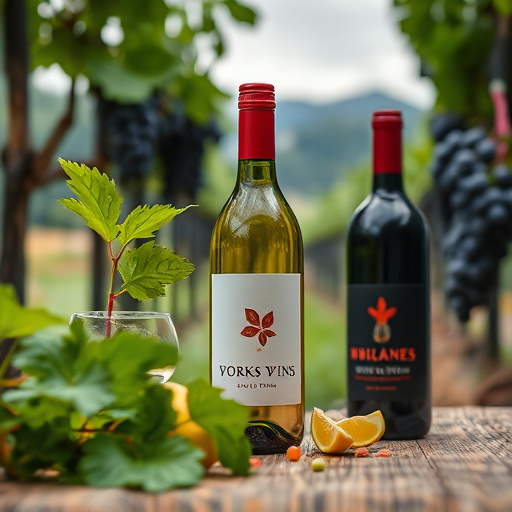
The concept of microclimate wines in southern Arizona offers a fascinating glimpse into the intricate relationship between terroir and viticulture. Each vineyard within this region experiences unique climatic conditions due to variations in elevation, aspect, and surrounding topography. These microclimates significantly influence grape development, leading to distinctive wine characteristics. Scientists and sommeliers alike recognize that understanding these local climates is key to crafting exceptional wines that reflect their origin.
In southern Arizona wineries naturally embrace the diversity of microclimates to create a wide spectrum of wine styles. For instance, vineyards nestled in higher elevations often enjoy cooler temperatures, leading to slower ripening grapes with higher acidity, ideal for crisp white wines. Conversely, lower-lying areas experience warmer days and nights, promoting fuller-bodied reds with richer flavors. A study by the University of Arizona revealed that even within a single vineyard, distinct microclimates can exist, allowing for precision viticulture practices. This knowledge enables winemakers to choose specific blocks for different blends, ensuring each wine embodies its terroir.
Practical insights for southern Arizona winemakers include implementing targeted irrigation systems to manage water usage and temperature, particularly in arid regions. Additionally, careful selection of grape varieties suited to local conditions ensures optimal fruit quality. For instance, while traditional Bordeaux varietals thrive in cooler climates, the heat-loving Zinfandel can produce spectacular results in warmer microclimates. By embracing these nuances, southern Arizona wineries can create a diverse portfolio of wines that not only showcase regional distinctiveness but also captivate global wine enthusiasts.
Through an in-depth exploration of southern Arizona’s diverse microclimates and their impact on viticulture, this article has revealed a captivating story of terroir. By delving into the unique characteristics of various terroirs across the region, we’ve discovered that each offers a distinct set of conditions for specific wine varietals to thrive. The synthesis of these factors results in a remarkable range of southern Arizona winery naturally-driven wines, each with its own distinctive flavor profile and narrative. Understanding the science behind microclimate wines empowers producers and enthusiasts alike to appreciate the intricate relationship between climate, soil, and grape quality. This knowledge can guide future vineyard plantings and winemaking practices, fostering further innovation within the region’s dynamic wine industry.