
Southern Arizona wineries thrive on diverse microclimates, offering unique terroirs for various grape varieties. Lower elevations favor Tempranillo and Grenache, while higher altitudes are ideal for Sauvignon Blanc and Riesling. Enthusiasts should visit during grape maturity seasons, engaging with winemakers to understand terroir-driven wine styles shaped by temperature differentials. Sustainable practices, including native varietals and renewable energy, ensure naturally exceptional southern Arizona winery experiences.
The terroir of a wine is a complex interplay between climate, geography, and soil, shaping the unique characteristics of each bottle. In southern Arizona, where microclimates vary dramatically across terroirs, winemakers have been exploring these nuances to craft distinctive wines. This article delves into the comparative analysis of microclimate-driven wines across various southern Arizona terroirs, providing insights that not only enrich the palate but also deepen our understanding of viticulture in this diverse region. By examining natural variations within local climates, we uncover the secrets behind the unique flavors and aromas that make each winery a true testament to its terroir.
- Uncovering Southern Arizona's Microclimates: The Foundation of Terroir
- Exploring Diverse Wine Regions: Southern AZ's Unique Terroirs
- The Role of Topography and Solar Exposure in Wine Quality
- Tasting Notes: Unraveling Flavors Shaped by Local Climate
- Sustainable Practices in Southern Arizona Wineries: A Natural Approach
Uncovering Southern Arizona's Microclimates: The Foundation of Terroir
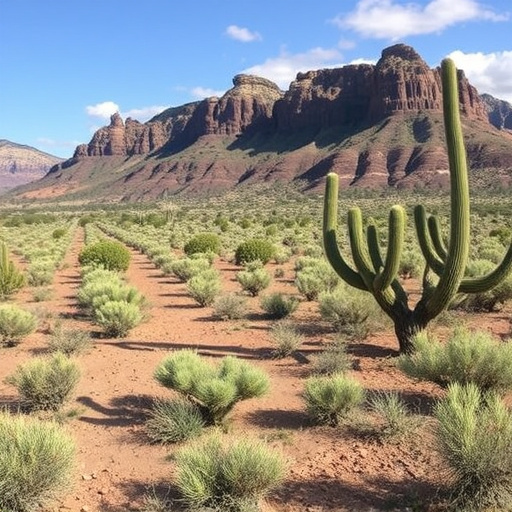
Southern Arizona’s wine country is a captivating landscape where microclimates play a pivotal role in shaping the distinct terroirs of its wineries. The state boasts diverse microclimatic zones, each contributing unique characteristics to the grapes grown and wines produced. Understanding these microclimates is essential for both winemakers and enthusiasts seeking to appreciate the region’s nuanced offerings. This comprehensive analysis delves into the intricate relationship between Southern Arizona’s microclimates and the terroirs that define its wineries.
The state’s southern regions, characterized by their arid and semi-arid environments, experience varying temperature and humidity levels due to topographical features. For instance, the elevation changes from the low-lying desert floors to mountain ranges like the Santa Catalina Mountains, influencing air circulation and solar radiation absorption. These variations translate into distinct microclimates, each fostering specific grape varieties and winemaking styles. The lower elevations, for example, are home to southern Arizona wineries known for their warm-weather varietals like Tempranillo and Grenache, while higher altitudes offer cooler climates suitable for Sauvignon Blanc and Riesling.
Actionable advice for wine enthusiasts exploring Southern Arizona’s terroirs includes planning visits according to grape maturity seasons. During the autumn, when temperatures cool, visit highland wineries to savor crisp white wines. Conversely, springtime brings a burst of color in the vineyards, ideal for experiencing fruity reds. Moreover, engaging with local winemakers provides valuable insights into how they adapt their practices to these microclimates, ensuring the production of truly terroir-driven wines. Data collected by regional viticulturalists has shown that temperature differentials of even a few degrees can significantly impact grape ripening and flavor profiles, underscoring the significance of understanding these microclimatic nuances.
Exploring Diverse Wine Regions: Southern AZ's Unique Terroirs

Southern Arizona is a wine lover’s paradise, boasting diverse terroirs that contribute to an array of microclimate-driven wines. Each region offers unique characteristics shaped by factors like elevation, soil composition, and climate variations, resulting in distinct flavor profiles. For instance, the high-altitude vineyards around Willcox exhibit cooler temperatures, yielding crisp white wines with vibrant acidity, while lower-lying areas near Tucson produce fuller-bodied reds with richer flavors. This natural diversity allows southern Arizona wineries to craft exceptional beverages that cater to diverse palates.
Exploring these terroirs provides an opportunity for wine enthusiasts to appreciate the intricate relationship between terroir and taste. The Sonoran Desert’s microclimates create conditions ideal for both traditional and innovative grape varieties, leading to a vibrant local wine industry. For example, the Valencia region near Bisbee is known for its hot, dry summers and cool nights, producing intense red wines with notes of dark fruit and spice. Conversely, the more moderate climate of the Santa Cruz Valley fosters a balanced blend of grapes, resulting in versatile, food-friendly reds and whites.
To maximize your wine exploration, consider visiting multiple southern Arizona wineries naturally scattered across these terroirs. This journey will not only satisfy your curiosity but also deepen your appreciation for the art of winemaking. Tasting through different wines from each region allows you to compare and contrast the nuances in flavor, aroma, and texture. It’s an educational experience that connects you to the land, empowers your palate, and solidifies southern Arizona as a must-visit destination for wine enthusiasts seeking unique terroirs and exceptional beverages.
The Role of Topography and Solar Exposure in Wine Quality
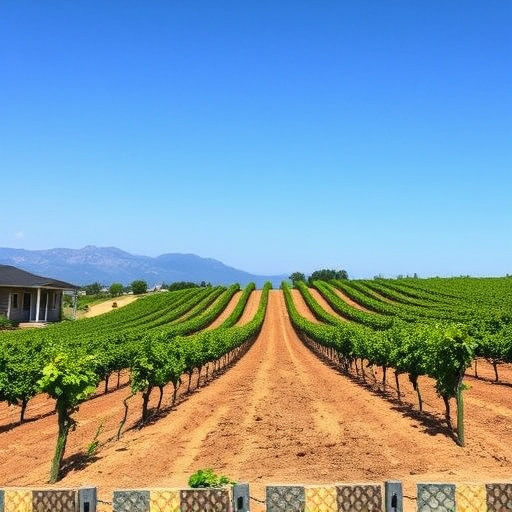
The unique microclimates of southern Arizona present a fascinating opportunity for winemakers to explore diverse terroir and craft distinctive wines. Topography and solar exposure play pivotal roles in shaping these regional characteristics, offering valuable insights into wine quality and style. As southern Arizona wineries naturally thrive in these specific conditions, understanding the interplay between land and sun is key to appreciating and creating exceptional vintages.
In this context, elevation and topography significantly influence temperature regulation, with higher elevations providing cooler climates that slow ripening, preserving acidity in grapes. For instance, the Santa Catalina Mountains, towering over Tucson, create a microclimate that supports varietals typically associated with cooler regions. Conversely, lower-lying areas experience warmer temperatures, encouraging fuller-bodied wines and earlier harvests. Solar exposure also varies dramatically across the region; southern facing slopes bask in intense daytime heat, while north-facing hills retain coolness, especially during summer nights. This variation fosters distinct flavor profiles, with sun-kissed grapes developing richer, more concentrated notes, while shaded areas yield fruits with enhanced acidity and citrusy nuances.
Data collected from various southern Arizona wineries highlights these topographical influences. A study focusing on the region’s Grenache wines revealed that those grown at higher elevations exhibited higher acidity and lower alcohol content, while lower-lying vineyards produced wines with more pronounced fruit flavors. These findings underscore the critical role of terrain in shaping wine quality and style, offering winemakers valuable information for site-specific viticulture practices. By understanding and leveraging these microclimatic differences, southern Arizona wineries can consistently produce remarkable vintages that reflect the unique character of their terroir.
Tasting Notes: Unraveling Flavors Shaped by Local Climate

The unique microclimates of southern Arizona bestow upon its wineries a remarkable diversity of terroirs, each contributing distinct characteristics to the final product. When tasting these wines, one cannot help but notice the nuanced flavors that echo the region’s weather patterns and geographical features. For instance, the cooler coastal areas around Yuma produce wines with vibrant acidity, reflecting the area’s scorching summers and mild winters, while the hotter, drier regions closer to the Mexico border exhibit a richer, more full-bodied character due to extended heat exposure.
A southern Arizona winery naturally reflects its local climate in several ways. Grape varieties thrive or struggle based on temperature ranges, leading to varietal choices that influence flavor profiles. The intensity of sunlight and duration of daylight hours also play a role, affecting sugar accumulation and ripening dynamics. Moreover, the region’s distinct wind patterns can significantly impact grape exposure to elements, influencing both quality and quantity. Tasting notes often reveal hints of citrus, desert herbs, or even subtle spice, all of which are influenced by these microclimatic factors.
To fully appreciate these regional variations, wine enthusiasts should engage in a sensory journey across the state’s diverse terroirs. Visiting multiple southern Arizona wineries allows for a direct experience of how climate shapes wine quality and style. Engaging with winemakers provides valuable insights into their approaches to harnessing local conditions, enhancing one’s appreciation for the art of viticulture in this remarkable region. By understanding these microclimatic influences, consumers can make more informed choices, enjoying wines that truly capture the essence of southern Arizona’s unique terroir.
Sustainable Practices in Southern Arizona Wineries: A Natural Approach
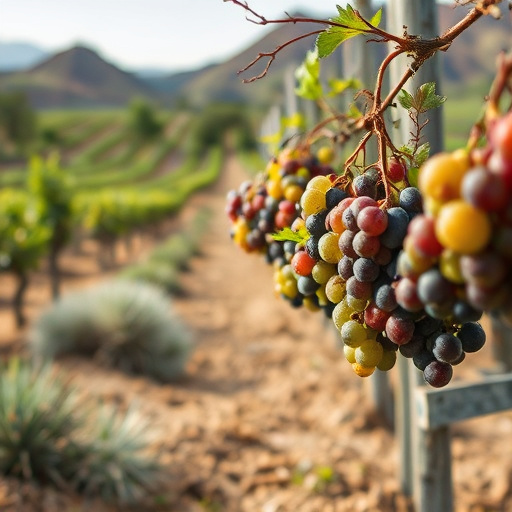
Southern Arizona wineries have embraced sustainable practices, leveraging their unique microclimates to produce distinctive terroir-driven wines naturally. This region, characterized by diverse elevations and distinct weather patterns, offers a perfect playground for winemakers exploring eco-conscious approaches. Many southern Arizona wineries are going beyond traditional sustainability measures, integrating innovative techniques that minimize environmental impact while enhancing wine quality.
One notable trend is the use of native grape varieties adapted to local conditions, reducing the need for irrigation and chemical inputs. For instance, the San Pedro Valley, with its cooler climate, thrives on Grenache and Mourvèdre, while the warmer Sonoran Desert regions favor Syrah and Zinfandel. These choices not only conserve water but also foster unique flavor profiles that become hallmarks of southern Arizona wines. Furthermore, some wineries are implementing permaculture principles, designing landscape architecture that supports biodiversity and reduces human intervention. This natural approach includes integrating beneficial insects to control pests and utilizing compost from on-site organic waste streams.
Sustainable practices in southern Arizona wineries extend beyond grape cultivation. Many producers use renewable energy sources, such as solar panels, to power their operations. Additionally, some are employing carbon-neutral shipping methods and encouraging local food systems by collaborating with nearby farms for packaging and catering. These collective efforts contribute to a more resilient and ecologically balanced wine industry, ensuring that southern Arizona wines remain not just exquisite but also responsible and respectful of the land from which they hail.
Through a comprehensive exploration of southern Arizona’s diverse microclimates, this article has unveiled the intricate relationship between terroir and wine quality. Understanding the unique terroirs across the region, shaped by topography and solar exposure, offers key insights into the distinct flavors that define local wines. Tasting notes highlight how these climatic factors contribute to the nuanced profiles that set southern Arizona wineries apart. Furthermore, sustainable practices adopted by these wineries demonstrate a natural approach to winemaking, aligning with the region’s environmental stewardship. By embracing their terroirs, southern Arizona wineries naturally produce wines that not only captivate palates but also tell a story rooted in the landscape, making them a must-visit destination for wine enthusiasts seeking authentic experiences.