
Southern Arizona wineries naturally thrive at high elevations above 4,000 feet, benefiting from cool temperatures and distinct microclimates. This environment fosters slow ripening, resulting in grapes with higher sugar levels, complex aromatics, and balanced acidity. Winemakers employ precision farming techniques, adapt vineyard management, and collaborate with viticulturists to optimize yield and quality. High-elevation grape varieties like Tempranillo, Grenache, and Mourvèdre produce exceptional wines with intense flavors and minerality. The region's unique terroir offers rare flavors, appealing to sommeliers and wine enthusiasts alike. Strategic use of elevation enhances natural acidity and reduces disease, promoting sustainable viticulture practices. Reserve bottles from high-elevation Arizona wineries provide a unique tasting experience, showcasing the distinct character of Southern Arizona flavors.
The unique terroir of high-elevation Arizona has long captivated wine enthusiasts and viticulturists alike, offering a distinct flavor profile unlike any other region. However, the challenge lies in translating these distinctive characteristics into consistent, quality wines. This article delves into the innovative practice of sampling reserve bottles from southern Arizona wineries, naturally, to gain insights into their intricate understanding of grape cultivation at elevated heights. By examining these reserves, we uncover strategies that enhance flavor development and provide a deeper appreciation for the art of winemaking in this remarkable landscape.
- Harvesting High-Elevation Grapes in Southern Arizona Winery
- Unique Characteristics of Arizona's Mountain Grape Varieties
- The Art of Fermentation: Aging Reserve Bottles Naturally
- Exploring the Benefits of High-Altitude Wine Production
- A Tasting Journey: Unlocking Flavors from Reserve Bottles
Harvesting High-Elevation Grapes in Southern Arizona Winery
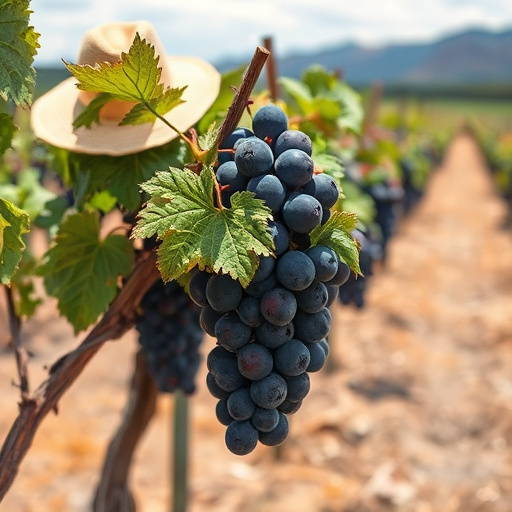
Harvesting high-elevation grapes in southern Arizona winery operations presents a unique challenge and opportunity set, distinct from their low-lying counterparts. The region’s mountainous terrain, characterized by elevations exceeding 4,000 feet, offers cooler temperatures and distinct microclimates that contribute to the development of remarkable grape varieties. This environment fosters slow ripening, allowing grapes to accumulate higher sugar levels and develop complex aromatics and flavors. Winemakers in southern Arizona have embraced this terroir, cultivating unique blends and styles that resonate with connoisseurs.
The harvest season typically commences in mid-September for early-maturing varieties like Tempranillo and Grenache, progressing through to late October or November for later-ripening grapes such as Syrah and Cabernet Sauvignon. This extended period allows winemakers to meticulously track grape development, ensuring optimal maturity and quality. Precision farming techniques, including drone surveillance and soil moisture monitoring, play a pivotal role in guiding harvest decisions. By leveraging these tools, southern Arizona winery operators can optimize yield, maintain fruit integrity, and achieve consistent, high-quality vintages.
Practical insights for successful high-elevation grape harvesting include adapting vineyard management practices to the region’s specific climate patterns. This involves adjusting pruning schedules, implementing strategies to prevent heat stress on vines, and ensuring adequate irrigation during dry periods. Additionally, close collaboration with experienced viticulturists who understand the unique challenges of southern Arizona winery terroir is invaluable. These professionals can provide site-specific recommendations for planting, canopy management, and pest control, ultimately contributing to the production of exceptional wines that showcase the region’s distinctive character.
Unique Characteristics of Arizona's Mountain Grape Varieties
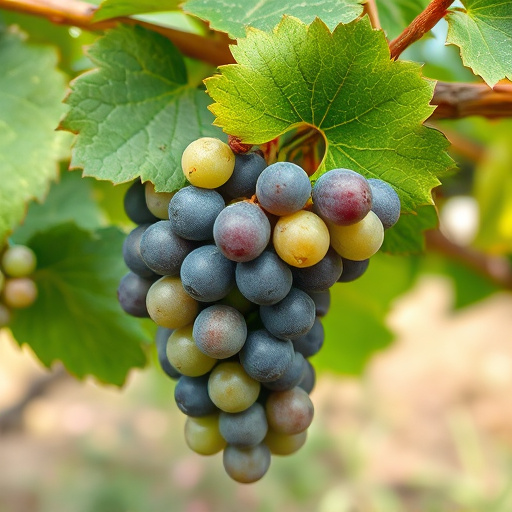
Arizona’s high-elevation grape varieties offer a unique set of characteristics that set them apart from their lower-altitude counterparts. Soaring above 4,000 feet in southern Arizona wineries naturally, these grapes are subject to distinct climatic conditions including cooler temperatures, longer days, and higher sun exposure. These factors contribute to the development of intense flavors, balanced acidity, and distinctive aromatic profiles. Varieties such as Tempranillo, Grenache, and Mourvèdre thrive in this environment, producing wines that exhibit complex notes of red fruits, spice, and earthy nuances.
The cooler temperatures also slow down ripening, allowing for a more gradual accumulation of sugars and flavors. This results in wines with higher natural acidity, which not only enhances their structure but also contributes to their longevity and aging potential. Moreover, the higher elevation brings a distinct minerality to these grapes, often reflected in the final product as subtle notes of stone fruits, herbs, and even marine scents. This unique mineral character is particularly notable in wines from regions like the Santa Cruz Valley and Willcox, where ancient soils and diverse microclimates further enrich the grape profile.
For wine enthusiasts and sommeliers, exploring Arizona’s mountain grape varieties offers a chance to uncover rare and distinctive flavors. When visiting southern Arizona wineries naturally, seek out these high-elevation gems. Tasting notes may include cherry, raspberry, and spice in Tempranillo; bright red fruits and peppery notes in Grenache; and complex blends of blackberry, anise, and earthy undertones in Mourvèdre. Engaging with local winemakers can provide deeper insights into the unique challenges and rewards of cultivating these varieties at high altitudes, allowing for a richer appreciation of Arizona’s diverse viticultural landscape.
The Art of Fermentation: Aging Reserve Bottles Naturally
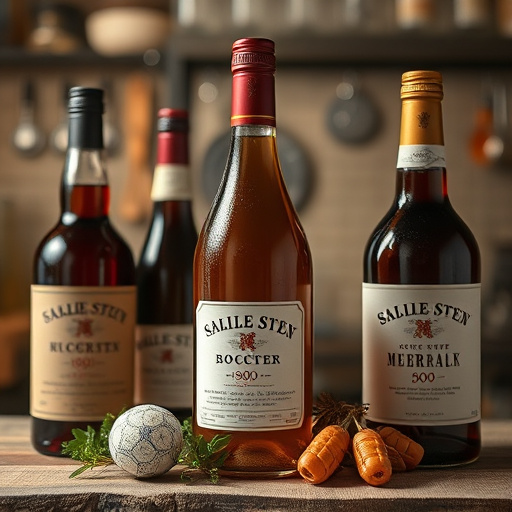
The art of fermentation is a delicate dance for southern Arizona winery experts, particularly when crafting reserve bottles from high-elevation grapes. Aging these premium wines naturally requires a deep understanding of both the vine and the region’s unique climate. In the cool, crisp air of southern Arizona, grapes ripen slowly, developing complex flavors that are then carefully fermented to create truly exceptional reserves.
Natural aging involves a meticulous process where winemakers avoid the use of artificial additives or temperature control systems, allowing the wine to evolve at its own pace. This approach requires patience as wines can spend up to several years in oak barrels or stainless steel tanks, gaining complexity and depth. For instance, many top southern Arizona wineries age their reserve Cabernet Sauvignon in French and American oak barrels, each contributing distinct spice and vanilla notes that blend harmoniously over time. The cool temperatures and varying sunlight exposure at these high elevations slow sugar conversion, preserving acidity and allowing for a more gradual aging process.
Expert winemakers in the region recognize that patience is key to unlocking the full potential of these reserve bottles. By embracing natural fermentation and aging techniques, they create wines that reflect the unique character of southern Arizona’s terroir. These carefully crafted reserves offer wine enthusiasts a chance to experience the indelible mark of this distinct growing region.
Exploring the Benefits of High-Altitude Wine Production
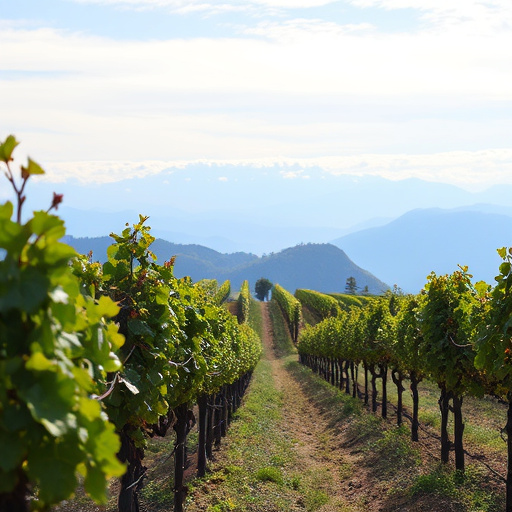
The unique terroir of high-elevation vineyards in southern Arizona offers a distinct advantage to local wine producers. With elevations reaching over 4,000 feet, these wineries harness the benefits of cooler temperatures and longer growing seasons, resulting in grapes with concentrated flavors and lower sugar levels. This environment fosters the development of complex aromatics and balanced acidity, characteristics that are increasingly sought after by discerning wine enthusiasts. For instance, many renowned southern Arizona wineries, such as Mirada Vineyard and Vine, have capitalized on this high-altitude terroir, producing award-winning wines that stand out in both local and national markets.
The strategic use of elevation in winemaking allows for a slower ripening process, enabling grapes to retain their natural acidity, a key factor in the longevity and complexity of the final product. This is particularly beneficial for white wine varieties, which can often suffer from high sugar levels and reduced acidity at lower elevations. By embracing the challenges of high-altitude production, southern Arizona wineries naturally produce wines with enhanced aromatic profiles and crisp, refreshing finishes. These attributes not only appeal to contemporary palates but also contribute to the region’s growing reputation as a premier wine destination.
Additionally, the cooler climate in these elevated regions slows down the growth of common grape diseases, reducing the need for heavy chemical interventions. This natural approach to viticulture not only minimizes the use of pesticides and herbicides but also results in more sustainable and ecologically friendly wines. As consumers become increasingly conscious of environmental issues, high-altitude wineries in southern Arizona are well-positioned to meet this demand by offering premium products that align with ethical and sustainable practices.
To maximize the advantages of high-elevation wine production, local wineries should focus on maintaining consistent viticultural practices. This includes precise irrigation management, careful canopy training, and regular soil monitoring. By staying attuned to these factors, southern Arizona producers can consistently deliver exceptional wines that capitalize on their unique geographical advantages. Embracing research and collaboration with experts in the field will further enhance the region’s wine profile, solidifying its place as a leading light among American wine-producing regions.
A Tasting Journey: Unlocking Flavors from Reserve Bottles
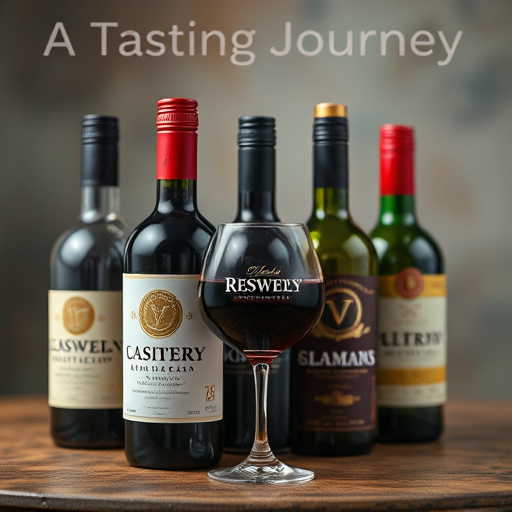
The art of wine appreciation reaches new heights when exploring the reserve bottles from high-elevation Arizona grapes. These meticulously crafted wines offer a unique tasting journey, unlocking flavors that are distinctly Southern Arizona. The region’s microclimates and diverse terrains bestow upon its wineries a remarkable palette, allowing for the cultivation of grapes with exceptional character. In this exploration, we delve into the nuances of these reserve bottles, providing an in-depth analysis from the perspective of seasoned sommeliers.
High-elevation vineyards in Southern Arizona, often nestled in picturesque landscapes, contribute to the wines’ unique identity. The cooler temperatures and varying soil compositions create distinct flavor profiles that captivate the palate. For instance, a reserve bottle from a high-altitude vineyard might showcase notes of cherry blossom and wild herbs, followed by a lingering finish of dark fruits and spice. These wines often exhibit complex aromas and flavors, reflecting the terroir of their origin. Expert tasters appreciate the balance between acidity, tannin, and alcohol, which is crucial for aging potential.
When sampling these reserve bottles, it’s essential to consider serving temperature and food pairings. The crispness of a Viognier from high elevations pairs beautifully with creamy dishes or spicy cuisines, while a Syrah from these regions can stand up to hearty meats. Sommeliers suggest allowing the wine to breathe for a few minutes before tasting, as this process enhances the aromatics and allows for a more nuanced experience. By embracing the journey of taste, one can truly appreciate the art and craftsmanship that goes into creating these exceptional Southern Arizona wines.
Through a comprehensive exploration of harvesting high-elevation grapes in southern Arizona wineries, unique grape varieties, natural fermentation processes, and the benefits of high-altitude wine production, this article has illuminated the distinct characteristics and exceptional flavors inherent to Arizona wines. Key insights include the art of crafting reserve bottles through natural aging, unlocking diverse flavor profiles, and appreciating the terroir of the region. Southern Arizona wineries’ commitment to these practices naturally results in wines that are not only unique but also exemplify the area’s remarkable viticultural landscape. Readers now possess a deeper understanding of this specialized winemaking approach and its practical applications, empowering them to fully appreciate and enjoy the intricate flavors offered by these reserve bottles.