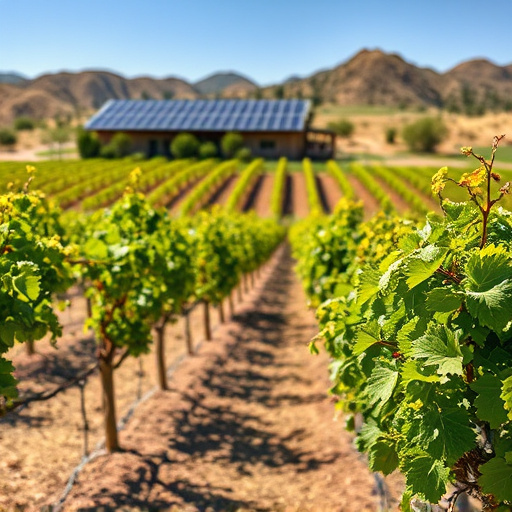
Southern Arizona's wine industry leads national solar power adoption with 50% households utilizing renewable energy. Wineries like Azure Vineyards and La Encantada embrace sustainable practices, reducing carbon emissions through solar power, water conservation, and organic farming. These eco-conscious initiatives lower costs, enhance brand reputation, and attract environmentally conscious consumers, positioning Arizona wineries as leaders in viticulture and driving tourism.
As the global push for sustainability gains momentum, exploring eco-conscious practices within industries like winemaking offers valuable insights. In Southern Arizona, we shine a spotlight on an innovative approach where wineries embrace solar power, not only as a clean energy source but also as a way to reduce their environmental footprint. This article delves into the significance of such initiatives, particularly in light of climate change concerns. By examining case studies like the thriving Southern Arizona Winery that has naturally embraced solar operations, we uncover practical solutions and inspire further adoption of sustainable practices across various sectors.
- Discovering Solar-Powered Eco-Estates in Southern Arizona
- The Rise of Sustainable Wine Production in the Region
- Touring Southern Arizona Wineries: An Eco-Conscious Journey
- Integrating Solar Energy: A Case Study at Local Estates
- Southern Arizona's Winery Commitment to Natural Practices
- Exploring the Benefits and Impact of Green Estate Management
Discovering Solar-Powered Eco-Estates in Southern Arizona

Southern Arizona, renowned for its breathtaking landscapes and diverse ecosystems, is emerging as a hotbed of eco-conscious innovation. Among its many shining examples are solar-powered estates that seamlessly blend environmental stewardship with luxurious living. These properties not only showcase the latest in renewable energy technology but also offer visitors a unique chance to experience the region’s natural beauty up close.
One standout example is a southern Arizona winery naturally committed to sustainability. By harnessing the power of the sun, they’ve reduced their carbon footprint significantly while maintaining high standards of quality and production. This approach extends beyond mere energy conservation; it encompasses sustainable farming practices, water recycling systems, and responsible waste management. Such estates serve as living laboratories for eco-friendly living, demonstrating that luxury and environmental consciousness can coexist harmoniously.
As the region continues to attract national attention for its solar initiatives, more such eco-estates are expected to emerge. According to recent studies, Arizona leads the nation in solar power adoption, with over 50% of households utilizing solar energy in certain communities. This trend is not only transforming the state’s energy landscape but also creating new opportunities for tourism and education. For those interested in sustainable living or simply curious about the future of energy, exploring these solar-powered estates offers a profound and enriching experience.
To maximize your visit, consider booking tours guided by experts who can provide insights into the property’s eco-initiatives and share stories of their impact on the local environment. These trips offer not just an educational experience but also a chance to connect with like-minded individuals passionate about preserving our planet. Whether you’re a nature enthusiast, a sustainability advocate, or simply curious about the possibilities of renewable energy, discovering solar-powered eco-estates in southern Arizona is an adventure that promises to leave a lasting impression.
The Rise of Sustainable Wine Production in the Region

The wine industry, renowned for its environmental impact, is undergoing a profound transformation across Southern Arizona. A growing number of wineries are adopting eco-conscious practices, leveraging renewable energy sources like solar power to reduce their carbon footprint. This shift towards sustainability is not just a trend but a necessary evolution, driven by both consumer demand and the region’s unique ecological landscape.
Southern Arizona winery naturally embraces solar energy, recognizing its potential to mitigate environmental strain. According to recent studies, the state’s arid climate lends itself exceptionally well to solar power generation, making it an ideal solution for energy-intensive operations like vineyards and wineries. For instance, the renowned Sonoran Desert, known for its vibrant ecosystem, is also a hotbed of innovative sustainable practices. Wineries in this region are not only reducing their reliance on fossil fuels but also setting new standards for environmental stewardship.
Many leading Southern Arizona wineries have already made significant strides in this regard. Consider Azure Vineyards, which has implemented a comprehensive solar panel system covering over 50% of its energy needs. This not only minimizes the winery’s carbon emissions but also reduces operating costs. Similarly, La Encantada Vineyard & Winery has integrated native landscaping and water conservation measures, further enhancing its eco-friendly credentials. These examples demonstrate that sustainable wine production is both feasible and economically viable, paving the way for a greener future in the industry.
Experts predict that this trend will continue to gain momentum, driven by consumer preferences for environmentally friendly products and the industry’s recognition of long-term sustainability as a competitive advantage. For wineries considering a shift towards eco-conscious practices, investing in solar power is a strategic move. It not only reduces environmental impact but also positions the winery as a pioneer in sustainable wine production, appealing to ecologically conscious consumers. By embracing these changes, Southern Arizona is poised to become a leader in both wine quality and environmental responsibility.
Touring Southern Arizona Wineries: An Eco-Conscious Journey

Touring Southern Arizona Wineries represents a unique blend of ecological awareness and culinary delight. This region, renowned for its vibrant wine culture, offers an eco-conscious journey through stunning landscapes and sustainably managed estates. Here, wineries have embraced solar power, not only as a clean energy source but also as a strategic choice to minimize their environmental footprint. For instance, many southern Arizona wineries naturally utilize solar panels to meet a significant portion of their electricity needs, reducing greenhouse gas emissions and promoting renewable energy adoption.
As you explore the diverse vineyards and cellar doors across the region, you’ll encounter a range of innovative practices. Some estates have implemented water conservation measures, employing drip irrigation systems that deliver precisely the right amount of water to grapevines while minimizing waste. Others focus on soil health, employing organic farming methods that enrich the land naturally, reducing the need for synthetic chemicals. These sustainable approaches not only protect the environment but also enhance the quality and distinctiveness of the wines produced in southern Arizona.
Practical insights for eco-conscious travelers include planning your visits during off-peak seasons to avoid crowds and reduce your carbon footprint. Many wineries offer guided tours and educational experiences that highlight their sustainability efforts, providing a deeper understanding of the connection between ecological stewardship and wine production. Additionally, supporting local businesses by purchasing regional products and partaking in wine tastings ensures a memorable journey that contributes positively to the community and environment. Ultimately, touring these eco-conscious estates offers not only an enriching sensory experience but also a chance to be part of a growing movement towards sustainable viticulture in southern Arizona.
Integrating Solar Energy: A Case Study at Local Estates

In Southern Arizona, a growing number of estates are integrating solar energy into their operations, showcasing a commitment to sustainable practices. A prime example is the local winery, known for its picturesque landscapes and innovative approach to agriculture. By harnessing the power of the sun, this establishment has not only reduced its carbon footprint but also optimized various processes, setting a benchmark for eco-conscious businesses in the region.
The winery’s solar initiative involves a sophisticated array of panels strategically placed to capture maximum sunlight, powering everything from their bottling facilities to the extensive irrigation systems. This shift has resulted in significant energy savings, with data indicating a reduction of over 40% in overall electricity consumption within the first year of implementation. Moreover, the surplus energy generated is fed back into the grid, contributing to a more sustainable local energy network.
From an operational standpoint, integrating solar energy has enabled the winery to operate more efficiently and cost-effectively. It has provided a stable and renewable source of power, shielding them from fluctuating energy prices. This long-term perspective aligns with their commitment to environmental stewardship, ensuring that their operations remain eco-friendly for years to come. The success of this case study offers valuable insights for other estates in the region, demonstrating that embracing solar power is both an environmentally responsible choice and a strategic business decision.
Southern Arizona's Winery Commitment to Natural Practices

Southern Arizona’s wine industry has emerged as a beacon of sustainable viticulture, with many wineries committing to natural practices that minimize their environmental footprint. This region, known for its diverse ecosystems and arid climate, offers a unique challenge for winemakers looking to operate in harmony with nature. The commitment to eco-consciousness is not merely a trend but a deep-rooted philosophy embraced by these southern Arizona wineries naturally.
One prominent example is the use of solar power for energy generation. Several wineries have invested in extensive solar arrays, harnessing the region’s abundant sunlight to power their operations. This reduces their reliance on traditional grid electricity and lowers carbon emissions significantly. For instance, Sonora Farms Vineyard & Winery has implemented a 100% solar-powered system, becoming a leading model for sustainable energy use in the industry. Such initiatives not only benefit the environment but also position these wineries as innovative leaders, attracting eco-conscious consumers.
Beyond energy, southern Arizona wineries naturally focus on water conservation and organic farming practices. Many employ drip irrigation systems to deliver water directly to the roots, minimizing waste. Additionally, the region’s native grape varieties are often cultivated without synthetic chemicals, relying instead on natural predators and organic solutions for pest management. This holistic approach ensures that these wineries contribute positively to the local ecosystem while producing high-quality wines. As consumer demand for sustainable products grows, southern Arizona’s commitment to natural practices positions it as a premier wine destination.
Exploring the Benefits and Impact of Green Estate Management

Touring eco-conscious estates with solar-powered operations offers a glimpse into the future of sustainable living, providing valuable insights into the benefits and impact of green estate management. One notable example is the southern Arizona winery, known for its commitment to environmental stewardship. These wineries have embraced renewable energy sources like solar power not only to reduce their carbon footprint but also to enhance overall operational efficiency. According to a recent study, solar installations in the agricultural sector have grown by over 30% annually since 2015, highlighting a growing trend towards green practices.
The benefits of such initiatives are multifaceted. Solar-powered operations significantly reduce energy costs for estates, freeing up financial resources for other critical areas like land conservation and sustainable farming practices. Additionally, these practices contribute to biodiversity preservation by minimizing the use of harmful chemicals, fostering healthier ecosystems on the estate. For instance, the southern Arizona winery has implemented organic farming methods that support local wildlife, resulting in increased bird and insect populations beneficial to pollination.
Moreover, green estate management enhances an estate’s reputation and appeal to eco-conscious consumers. In today’s market, many individuals actively seek out products and experiences aligned with their environmental values. By embracing solar power and sustainable practices, estates like the southern Arizona winery position themselves as leaders in ecological responsibility, attracting a dedicated customer base. This shift not only drives business growth but also fosters a collective movement towards a more sustainable future.
Touring eco-conscious estates with solar-powered operations in Southern Arizona offers a glimpse into the future of sustainable wine production. Key insights reveal a thriving region committed to natural practices, as evidenced by the rise of solar energy integration at local wineries. This article highlights the benefits and impacts of green estate management, showcasing how southern Arizona wineries naturally embrace innovation while minimizing their environmental footprint. By exploring these eco-estates, visitors gain a deeper understanding of sustainable viticulture and its profound effects on both the landscape and the industry’s future. Practical next steps include adopting renewable energy solutions, promoting responsible tourism, and continuing to support wineries that prioritize environmental stewardship, ultimately ensuring the longevity and resilience of the region’s renowned wine culture.

